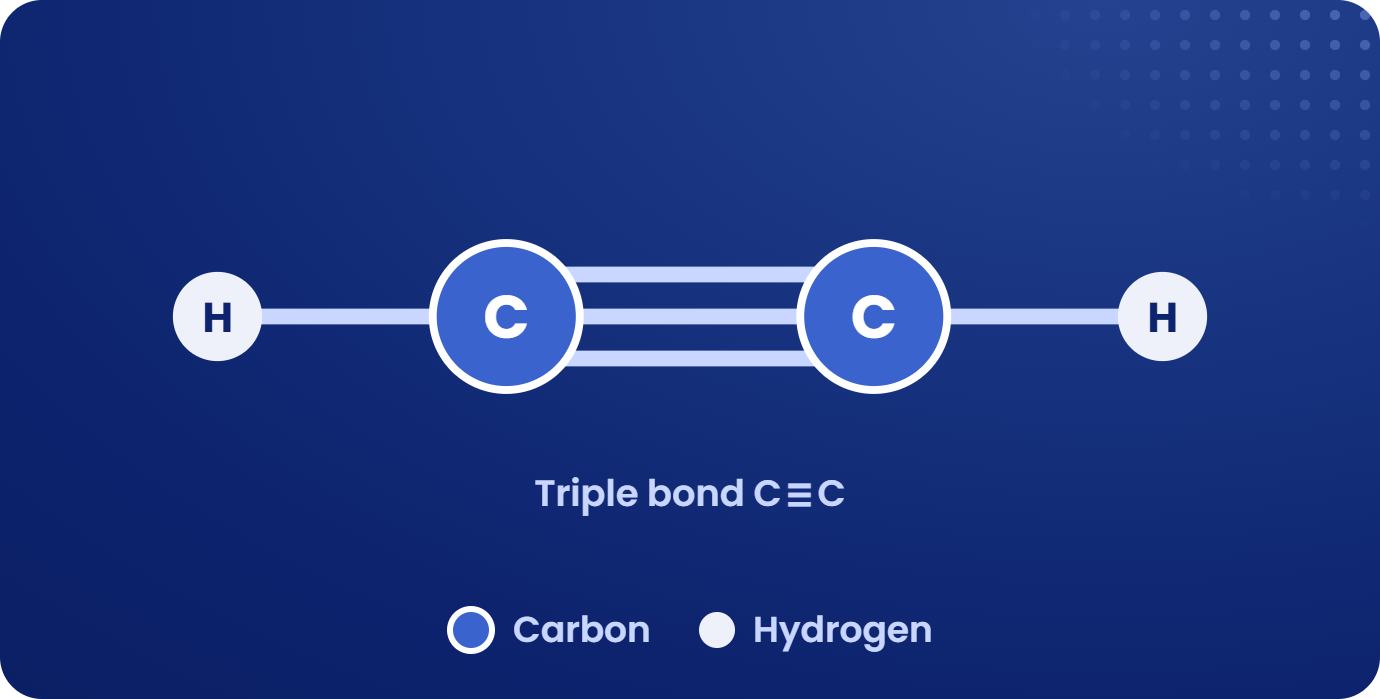
Acetylene, also known as ethyne, is a gas primarily used for oxyacetylene welding and cutting. It is also used in the synthesis of organic compounds and in analytical chemistry. At room temperature, it is a colourless gas, slightly lighter than air and extremely flammable. Pure acetylene is odourless; certain impurities may give it a characteristic odour.
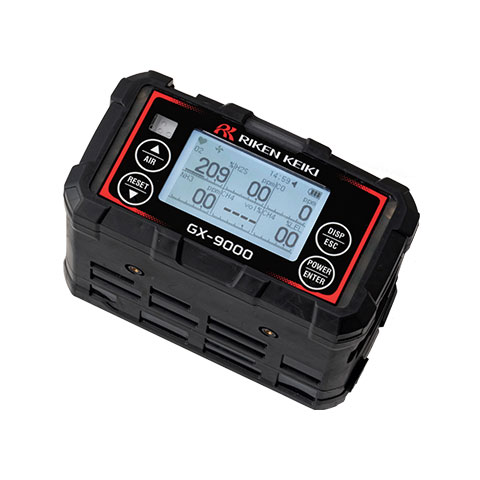
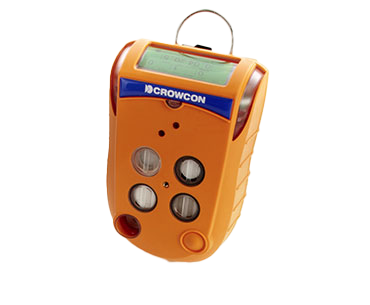
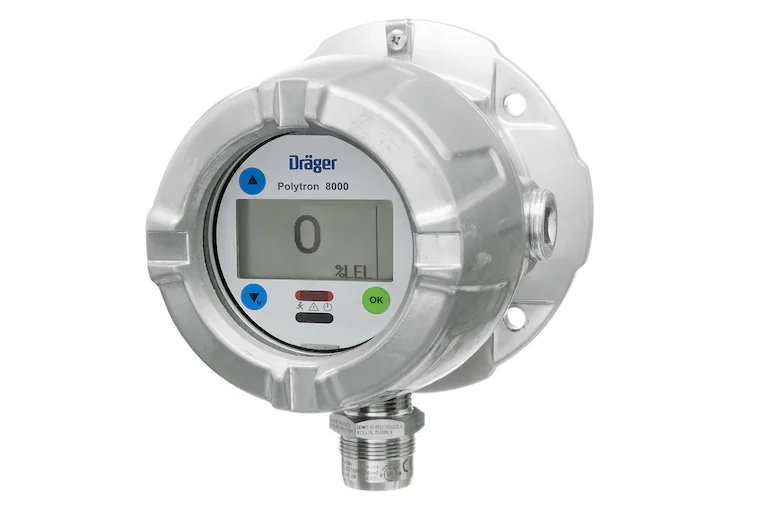
Suggested detectors
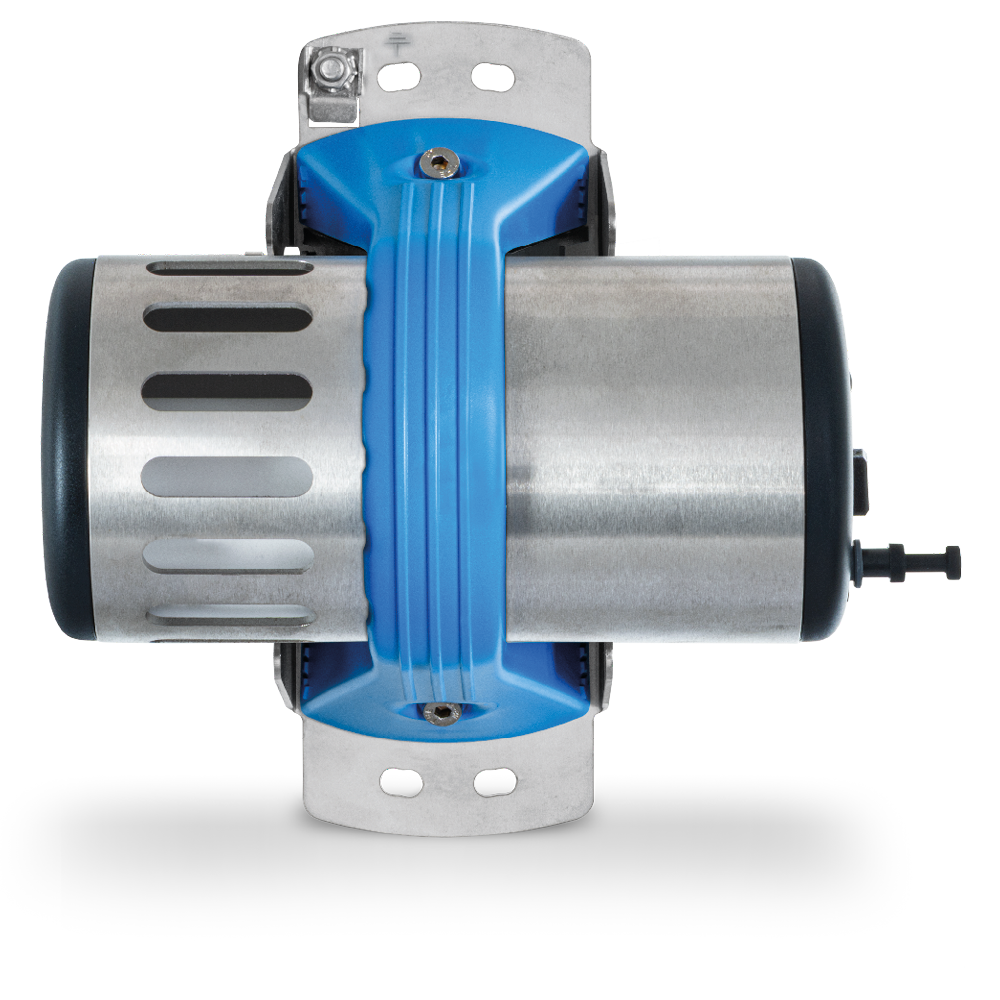
1Key properties
At atmospheric pressure, acetylene sublimes: the temperature given must therefore not be described as a boiling point.
2What are the hazards?
Acetylene forms explosive mixtures with air over a very wide concentration range. It is highly reactive and can also undergo explosive decomposition, with the risk increasing particularly with pressure and temperature.
It reacts vigorously with oxidising agents. In contact with certain metals, including copper, silver and mercury, it can form unstable compounds called acetylides, which may detonate when subjected to impact or heat.
Inhalation at high concentrations can cause headaches, dizziness, nausea and loss of consciousness through central nervous system depression. Impurities present in some technical-grade acetylene may introduce additional toxic hazards.
3What are the occupational exposure limits?
The INRS factsheet dated December 2019 states that no occupational exposure limit had been established for acetylene in France, the European Union or Germany at the time of that edition.
The absence of an exposure limit does not mean an absence of danger. Explosion-risk monitoring criteria and detector alarm settings must be determined separately, according to the risk assessment and the detector manufacturer’s instructions.
4How can the risks be prevented?
Prevention relies on capturing emissions at source, providing adequate ventilation and controlling ignition sources. Equipment must be designed for acetylene and suitable for use in potentially explosive atmospheres.
Cylinders must be used and stored upright, secured and protected from heat, in a well-ventilated location, separated from oxidising substances and gases that support combustion. Cylinder valves must be closed during extended interruptions in use.
Operators must be trained in fire and explosion hazards, equipment checks and emergency procedures. Personal protective equipment must be selected according to working conditions and the risk assessment.
Source: INRS, Toxicological Factsheet No. 212, “Acétylène”, December 2019 edition.