Ammonia is used in fertiliser manufacturing, industrial refrigeration, metal treatment and chemical synthesis. At room temperature and atmospheric pressure, it is a colourless gas with a pungent, irritating odour, lighter than air. It is readily liquefied.
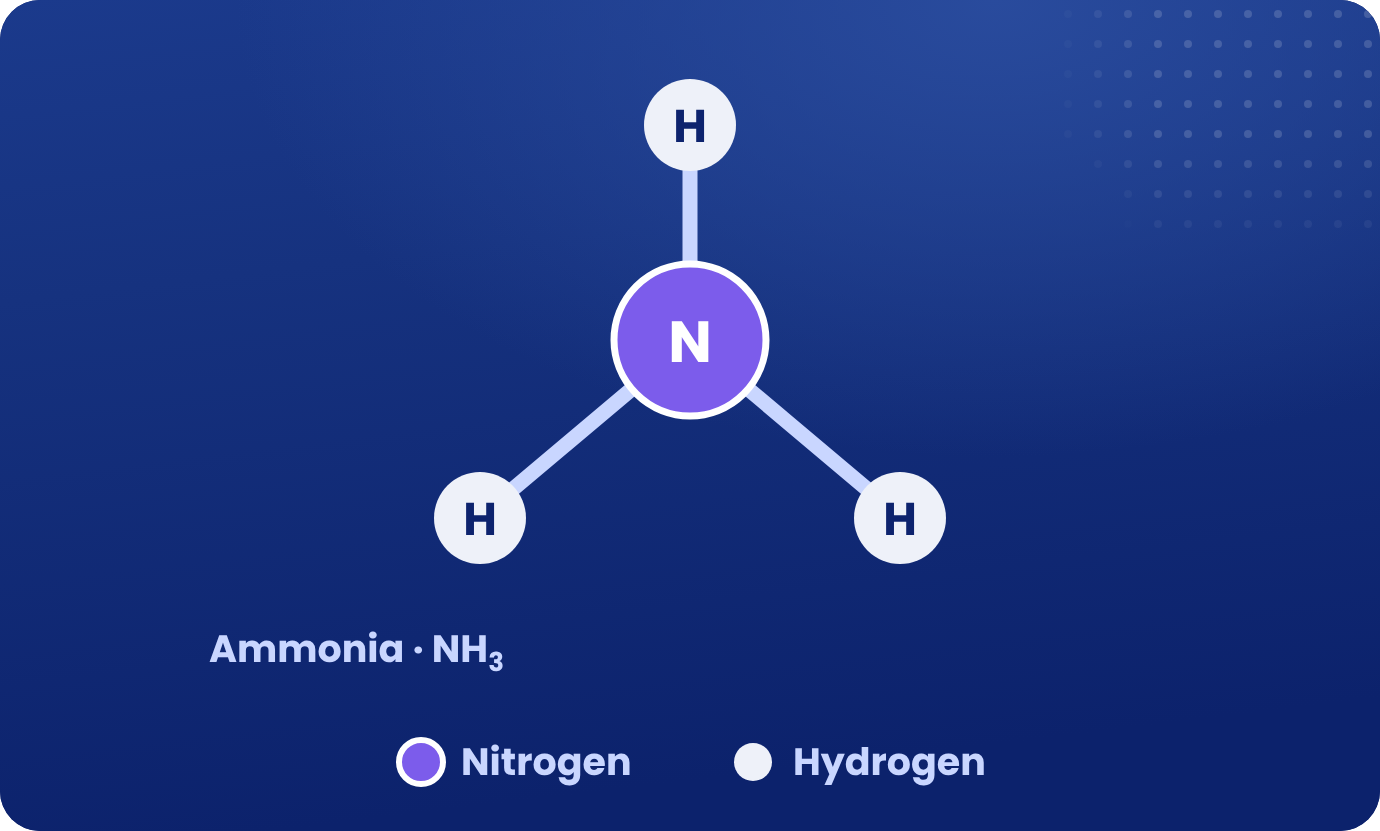
This factsheet primarily covers anhydrous ammonia, NH₃. Its solutions in water, known as aqueous ammonia, have properties that depend on their concentration.
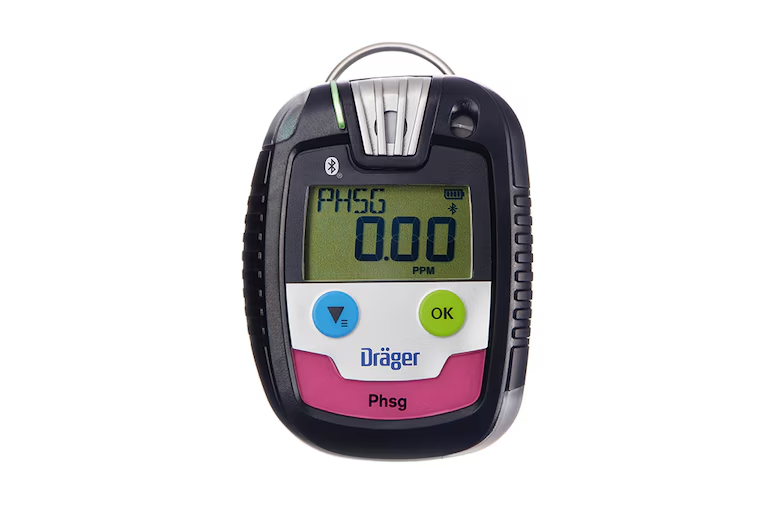
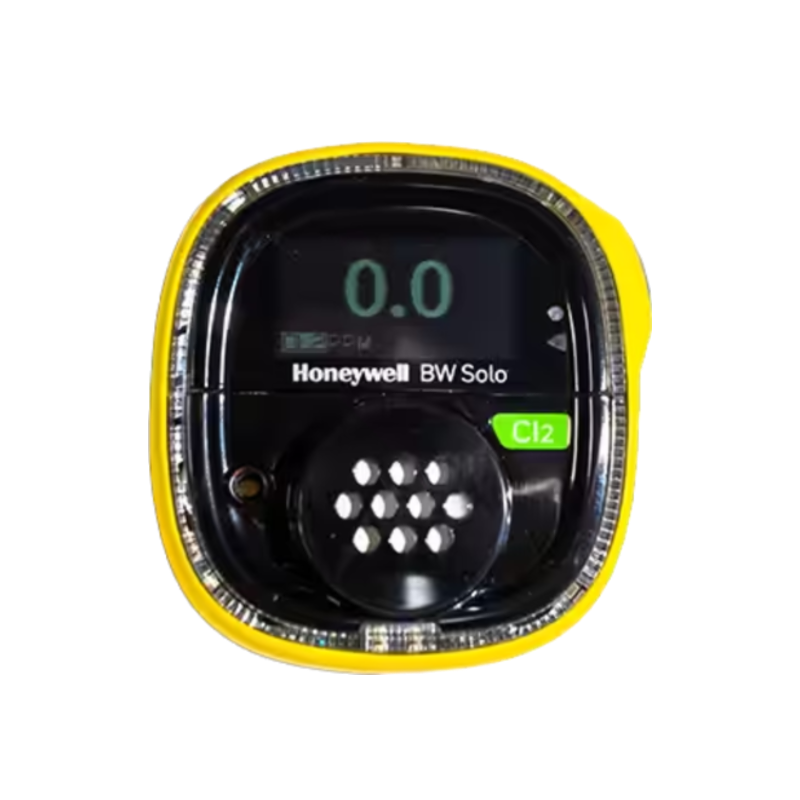
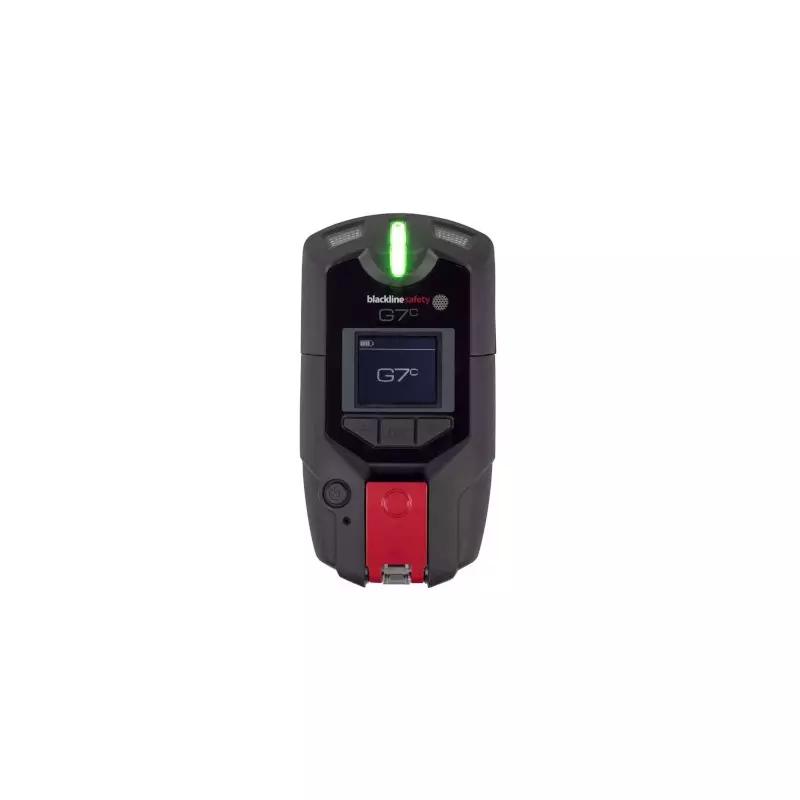
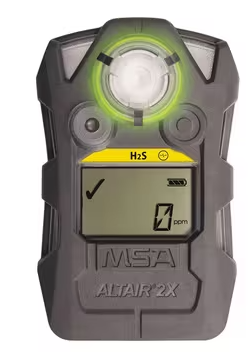
Suggested detectors
1Key properties
Ammonia is highly soluble in water. Dissolution releases heat. The properties above apply to anhydrous ammonia and must not be applied directly to aqueous solutions.
2What are the hazards?
Ammonia is toxic if inhaled and corrosive. Significant exposure can cause severe injury to the eyes, skin and respiratory tract.
Inhalation may cause coughing, a burning sensation, breathing difficulties and bronchospasm. Serious lung injury may develop after a period of apparent improvement, particularly in the hours following exposure. Lasting respiratory and eye damage may occur.
Odour is not a reliable means of monitoring exposure: repeated exposure may reduce awareness of the smell and irritating effects.
Ammonia can form flammable mixtures with air. It reacts vigorously with certain substances, including halogens and many oxidising agents. In the presence of moisture, it attacks metals such as copper and zinc, as well as certain alloys.
3What are the occupational exposure limits?
INRS reports the following binding regulatory occupational exposure limits for anhydrous ammonia in France:
| Reference period | ppm | mg/m³ |
|---|---|---|
| 8-hour time-weighted average | 10 | 7 |
| Short-term exposure | 20 | 14 |
These exposure limits do not, on their own, provide a complete gas detector alarm configuration. Settings must take account of the risk assessment, instrument performance and reference period used.
4How can the risks be prevented?
Prevention relies on working in closed systems wherever possible, capturing emissions at source and providing adequate ventilation. Preventive maintenance, particularly checks on the leak-tightness of installations, helps reduce the risk of leaks.
Gloves, protective clothing and eye protection must be selected according to working conditions and their compatibility with the substance. Where filtering respiratory protection is suitable for the situation, INRS recommends a type K filter. Emergency response requires suitable atmosphere-supplying respiratory protection.
Store in compatible, closed and labelled containers, in a cool, ventilated location, away from heat and incompatible substances. Cylinders must be secured upright and protected against falls and impacts.
Sources: INRS, Toxicological Factsheet No. 16, “Ammoniac et solutions aqueuses”, June 2021 edition; INRS occupational exposure limit database, “Ammoniac anhydre”.