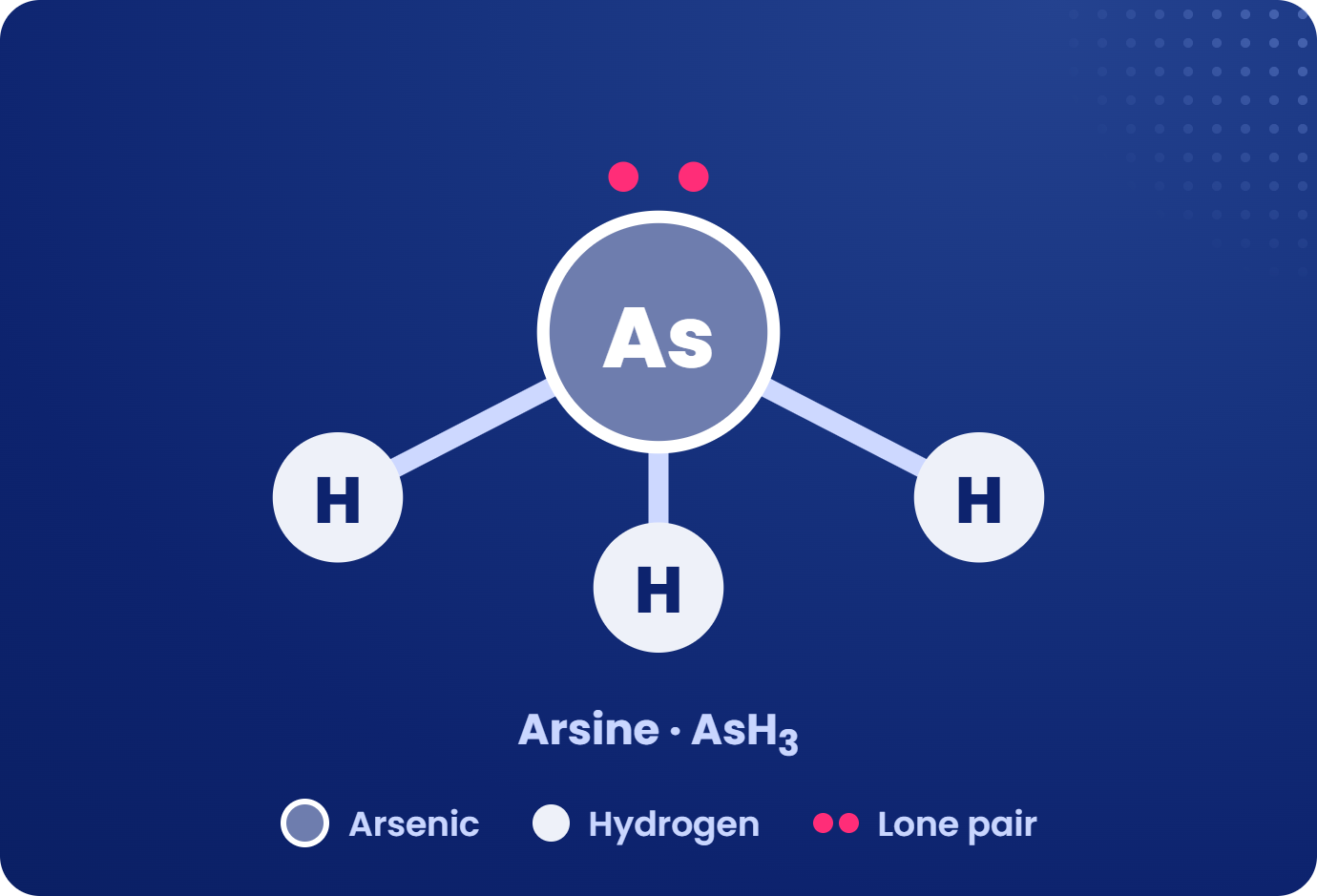
Arsine, also known as arsenic trihydride or arsenic hydride, is used in the electronics industry for semiconductor doping. It can also form accidentally during the treatment of metals or materials containing arsenic, particularly during certain acid pickling operations.
At room temperature, it is a colourless gas, heavier than air and extremely toxic. Initially odourless when freshly generated, it may develop a garlic-like odour through oxidation in air. This odour is not a reliable means of detection.
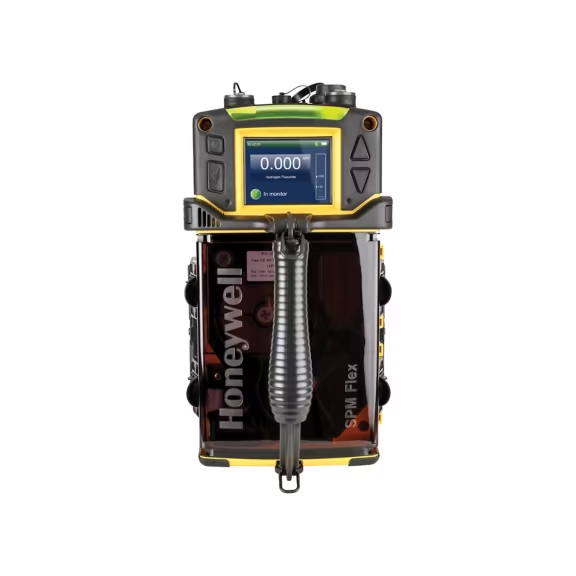
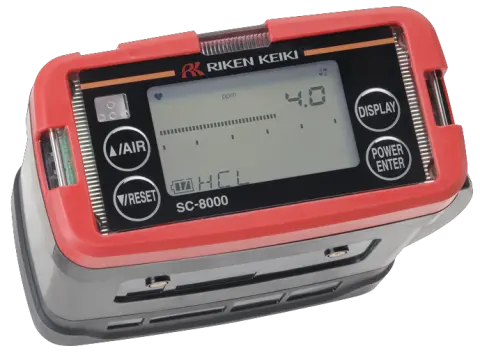
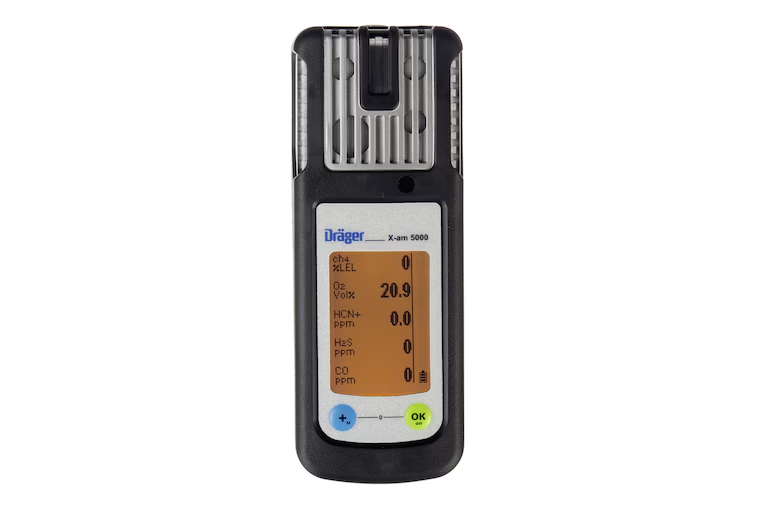
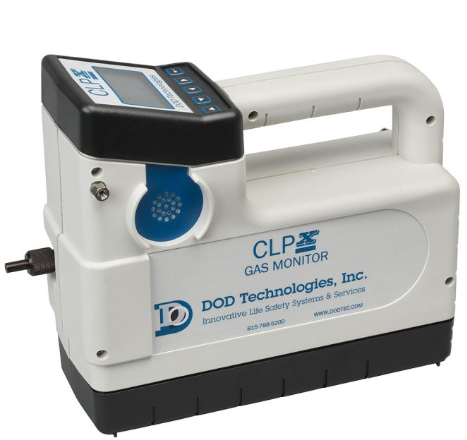
Suggested detectors
1Key properties
INRS reports ranges for the flammability limits. These figures do not define detector alarm settings.
2What are the hazards?
Arsine is fatal if inhaled. It causes the destruction of red blood cells, known as haemolysis, which can lead to severe anaemia and acute kidney failure. Other effects, including liver, neurological and lung damage, may also occur.
The first symptoms may develop several hours after exposure: headaches, weakness, nausea, abdominal or muscle pain, and reddish or dark urine.
Any suspected acute exposure is a medical emergency, even if there are no immediate symptoms.
Arsine is also extremely flammable. It can react violently with strong oxidising agents, including chlorine and fluorine, creating an explosion risk. It is also very toxic to aquatic life, with long-lasting effects.
3What are the occupational exposure limits?
The INRS occupational exposure limit database, updated in January 2026, includes arsine under the entry covering arsenic acid, its salts and inorganic arsenic compounds:
| Reference period | Value | Status |
|---|---|---|
| 8-hour time-weighted average | 0.01 mg/m³ | Indicative regulatory occupational exposure limit in France |
| Short-term exposure | Not specified in this entry | — |
Pay particular attention to the unit: the occupational exposure limit database specifies 0.01 mg/m³. The table in Toxicological Factsheet No. 53 contains a discrepancy, placing this value in the ppm column. It must therefore not be reproduced as “0.01 ppm”.
This exposure limit does not, on its own, define an arsine detector alarm setting.
4How can the risks be prevented?
Prevention relies on process containment, capturing emissions at source and providing adequate ventilation. INRS recommends continuous atmospheric monitoring for arsine, including where it may form accidentally.
Access to hazardous areas must be restricted to authorised, trained personnel. Never work alone with arsine. Equipment, connections and materials must be compatible with the gas and subject to appropriate checks.
Cylinders must be secured upright in a cool, ventilated location, away from heat, ignition sources and oxidising agents.
Emergency arrangements must be established in advance. Emergency response requires self-contained breathing apparatus and specially trained personnel.
Sources: INRS, Toxicological Factsheet No. 53, “Trihydrure d’arsenic”, October 2023 edition; INRS occupational exposure limit database, entry covering inorganic arsenic compounds, updated January 2026.