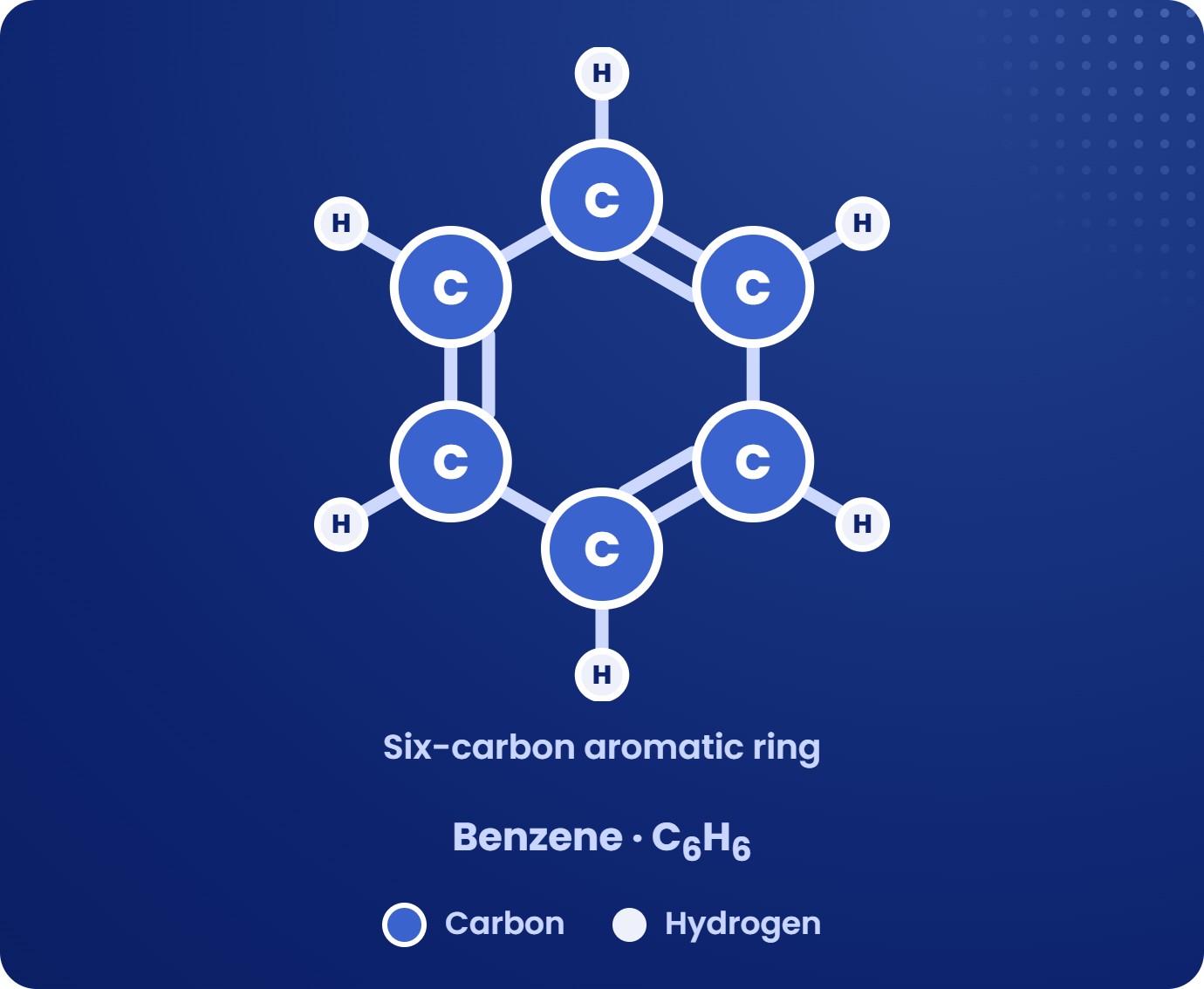
Benzene is an aromatic hydrocarbon primarily used in the petrochemical and chemical industries as an intermediate in the manufacture of substances such as styrene, phenol and cyclohexane. It is also present in certain fuels.
At room temperature, it is a colourless liquid with an aromatic odour and highly flammable vapours. Its vapours are heavier than air.
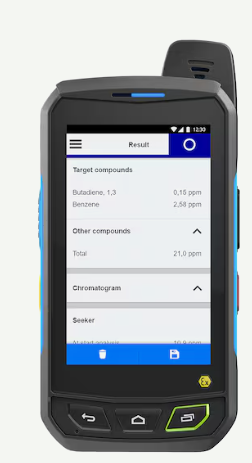
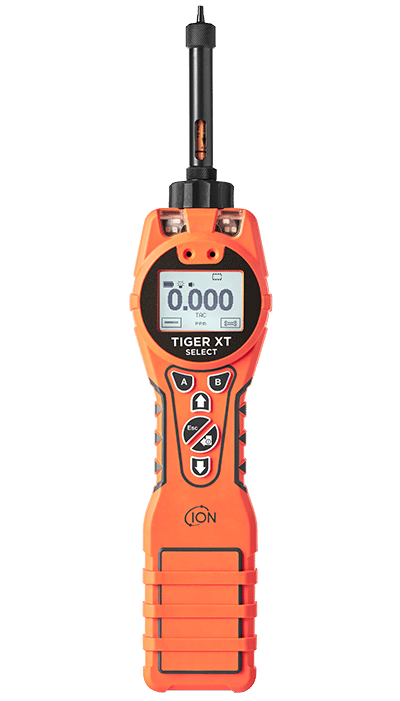
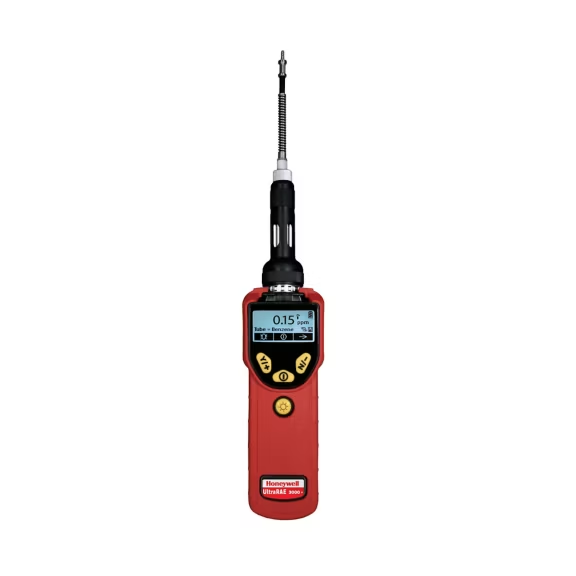
Suggested detectors
1Key properties
Benzene has low solubility in water and is miscible with most organic solvents. It can react vigorously with strong oxidising agents and strong acids.
2What are the hazards?
Benzene is carcinogenic and mutagenic. Prolonged or repeated exposure can damage the bone marrow, disrupt blood cell production and cause leukaemia. It is classified by IARC as carcinogenic to humans, Group 1. Occupational exposure occurs mainly through inhalation, although skin absorption is also possible.
It causes skin irritation and significant eye irritation. If swallowed, entry into the airways can be fatal. The liquid and its vapours also present a high fire risk.
Odour cannot be used to check compliance with exposure limits: INRS reports an odour threshold of approximately 5 ppm, which exceeds the French 8-hour occupational exposure limit.
3What are the occupational exposure limits?
Since 6 April 2026, the French 8-hour exposure limit has been 0.2 ppm, equivalent to 0.66 mg/m³ (Article R4412-149 of the French Labour Code). This is a binding regulatory occupational exposure limit, accompanied by a “skin” notation. A transitional value of 0.5 ppm (1.65 mg/m³) applied until 5 April 2026; the 0.2 ppm value applies once that period ends.
| Reference period | ppm | mg/m³ |
|---|---|---|
| 8-hour time-weighted average | 0.2 | 0.66 |
| Short-term exposure | Not specified in the INRS factsheet | Not specified in the INRS factsheet |
The “skin” notation indicates that skin absorption must also be taken into account. Air monitoring alone therefore does not assess all exposure routes.
This 8-hour exposure limit does not automatically define an instantaneous gas detector alarm setting.
4How can the risks be prevented?
The priority is to replace benzene with a less hazardous substance wherever technically possible. Where substitution is not feasible, prevention relies on process containment, capturing vapours at source and providing adequate ventilation to reduce exposure as much as possible.
Ignition sources must be controlled, electrostatic discharges prevented, and equipment selected for the potential explosive atmosphere. Installations must have appropriate leak detection and alarm systems.
Gloves, protective clothing, eye protection and any necessary respiratory protection must be selected according to the risk assessment and their compatibility with benzene. Store in compatible, closed and labelled containers, in a cool, ventilated area with suitable secondary containment, away from heat and incompatible substances.
Sources: INRS, Toxicological Factsheet No. 49, “Benzène”, June 2026 edition; French Labour Code, Article R4412-149 (occupational exposure limit values), in French, consulted 5 November 2026.