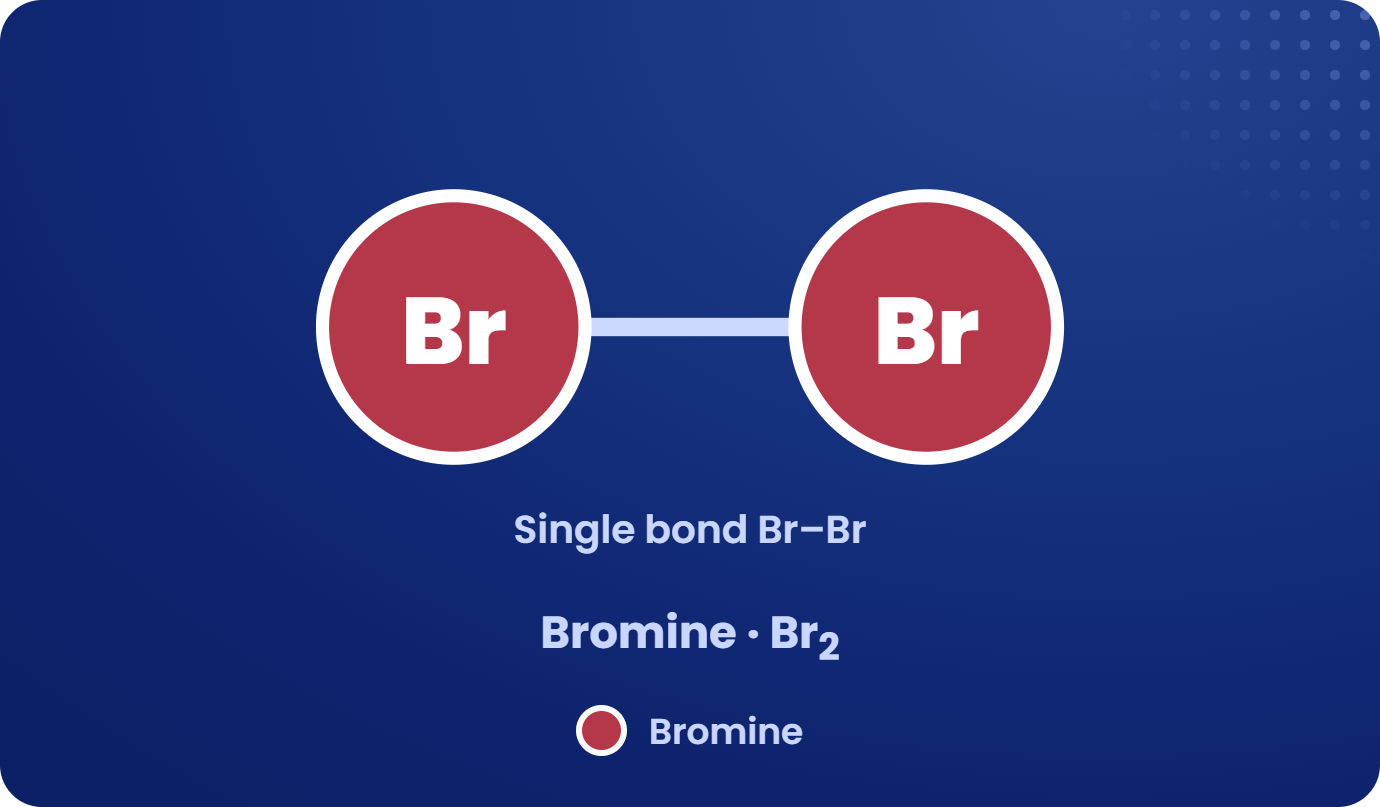
Bromine is used in chemical synthesis, particularly to manufacture brominated compounds, flame retardants and pharmaceuticals. It is also used in the manufacture of inorganic bromides and in water treatment.
At room temperature, it is a volatile, reddish-brown liquid that releases suffocating vapours. Although included in gas detection guides, bromine is therefore a liquid under these conditions; atmospheric monitoring concerns its vapours.
Suggested detectors

1Key properties
Bromine is moderately soluble in water. It is highly reactive and acts as an oxidising agent, reacting vigorously with many organic materials and certain metals. In the presence of moisture, it corrodes most metals.
2What are the hazards?
Bromine is fatal if inhaled and highly corrosive. It can cause severe skin burns and eye damage. It is also very toxic to aquatic life.
Inhaling its vapours causes irritation of the eyes and respiratory tract, with watering eyes, coughing, breathing difficulties and chest tightness. Significant exposure can cause serious lung injury, sometimes after an interval of several hours without pronounced symptoms. Lasting bronchial damage may occur.
Bromine is not flammable, but its reactions with incompatible substances can cause a fire or explosion.
3What are the occupational exposure limits?
The INRS factsheet reports the following French binding regulatory occupational exposure limit established in 2007:
| Reference period | ppm | mg/m³ |
|---|---|---|
| 8-hour time-weighted average | 0.1 | 0.7 |
| Short-term exposure | Not specified for France in this factsheet | Not specified for France in this factsheet |
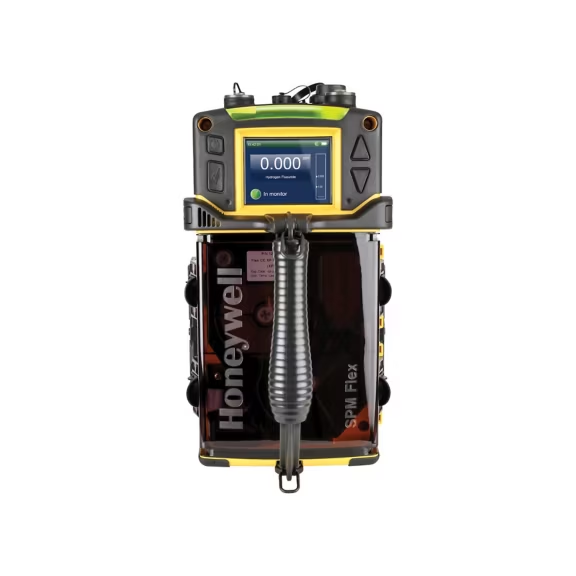
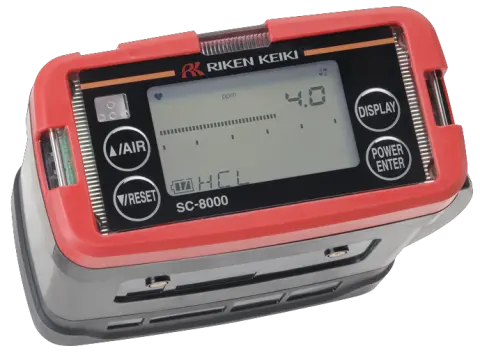
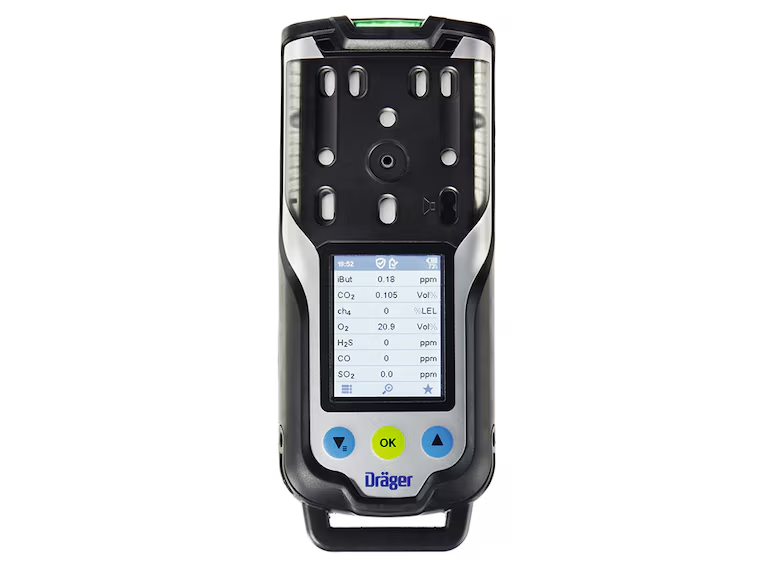
This 8-hour exposure limit does not automatically define an instantaneous alarm setting. Detector configuration must take account of the risk assessment, its sensitivity to bromine and its performance.
4How can the risks be prevented?
Prevention relies on working in closed systems wherever possible, capturing vapours at source and providing effective general ventilation. Containers must be checked regularly for leaks, and atmospheric bromine concentrations must be monitored.
Protective clothing, gloves and eye protection must be suitable for the substance and working conditions. Safety showers and eyewash facilities must be accessible near the relevant workstations.
Store in compatible, closed and labelled containers, in a cool, dry and ventilated area with suitable secondary containment, away from heat, combustible materials and other incompatible substances.
In the event of a major leak, evacuate the area and restrict emergency response to trained personnel wearing self-contained breathing apparatus.
Source: INRS, Toxicological Factsheet No. 27, “Brome”, August 2016 edition.