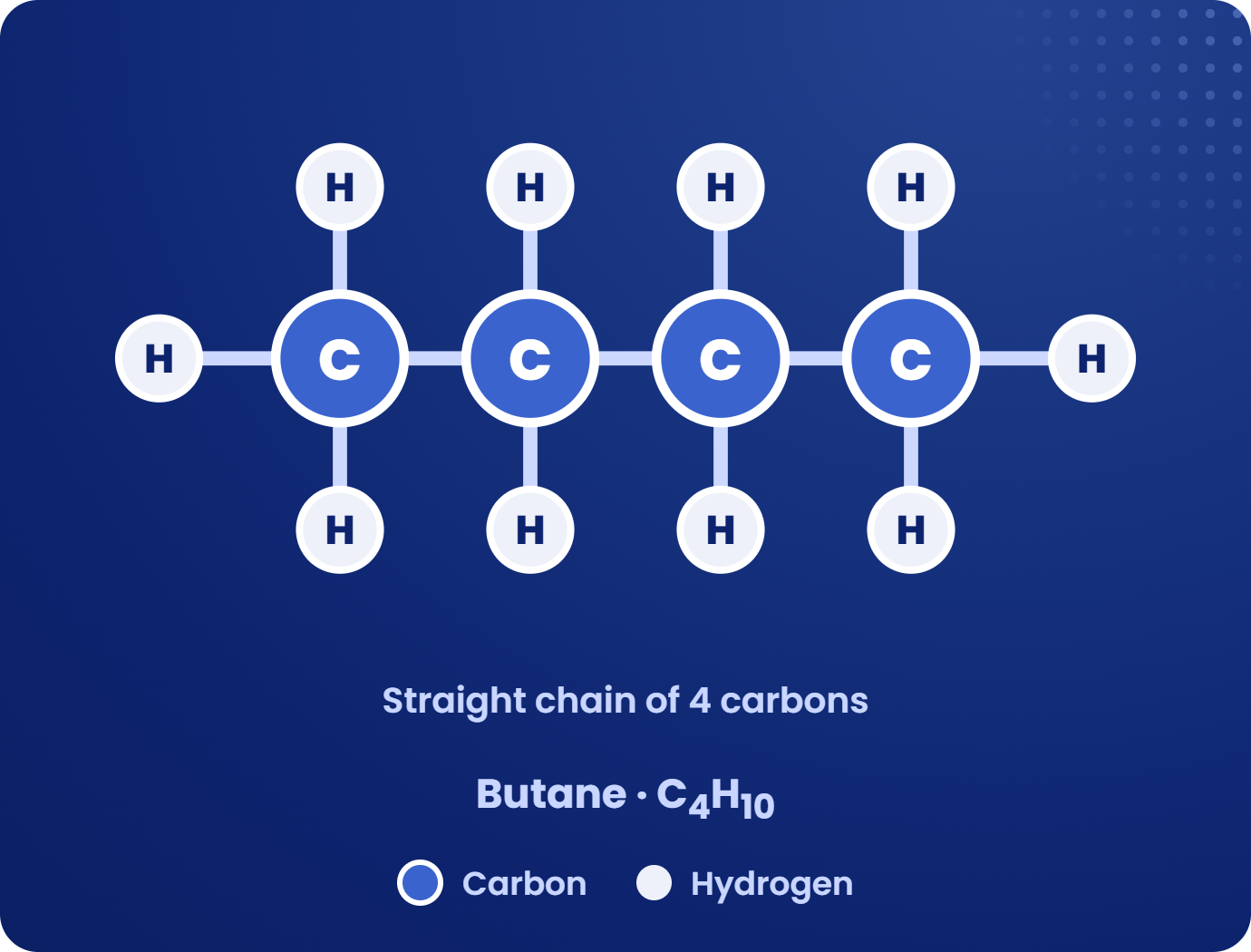
Butane is a hydrocarbon belonging to the alkane family, primarily used as a fuel, an aerosol propellant and a component of certain calibration gas mixtures. At room temperature and atmospheric pressure, it is a colourless, extremely flammable gas that is heavier than air. It is generally stored as a liquefied gas under pressure.
This factsheet covers n-butane, CAS 106-97-8. Isobutane has the same molecular formula, C₄H₁₀, but a different structure and some different physical properties.
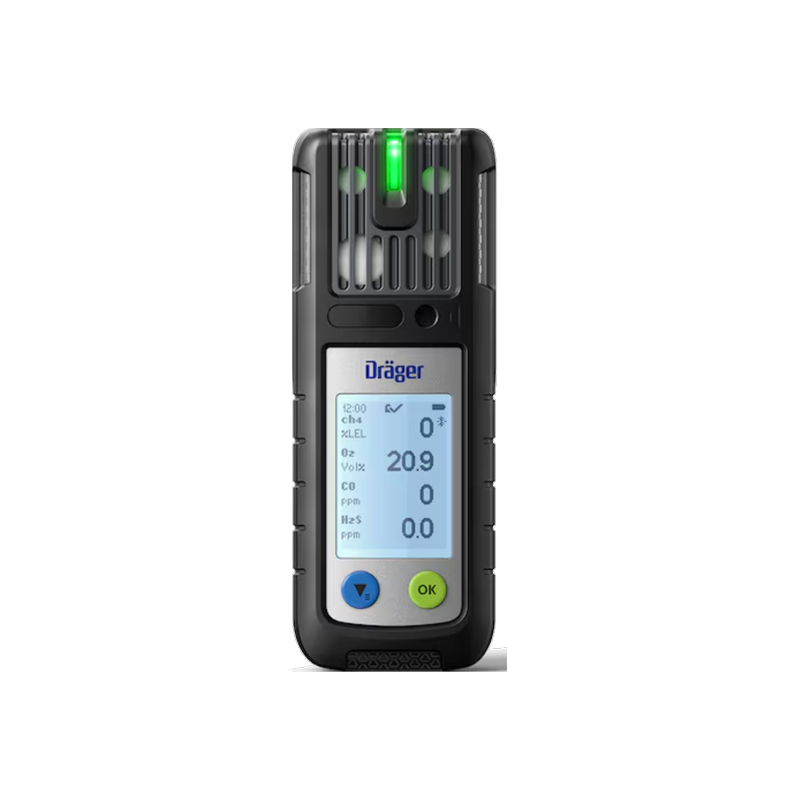
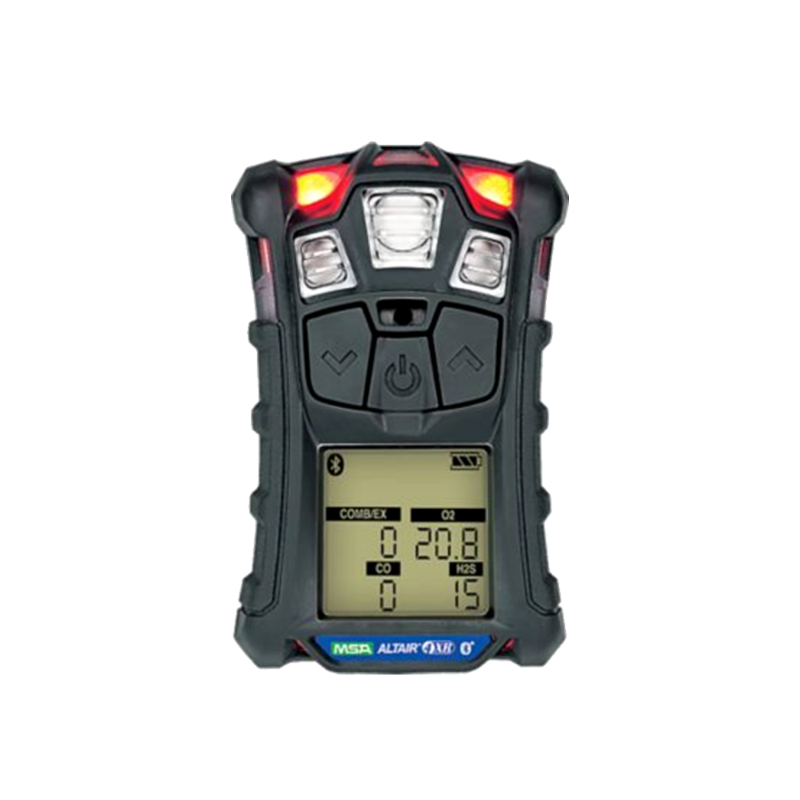
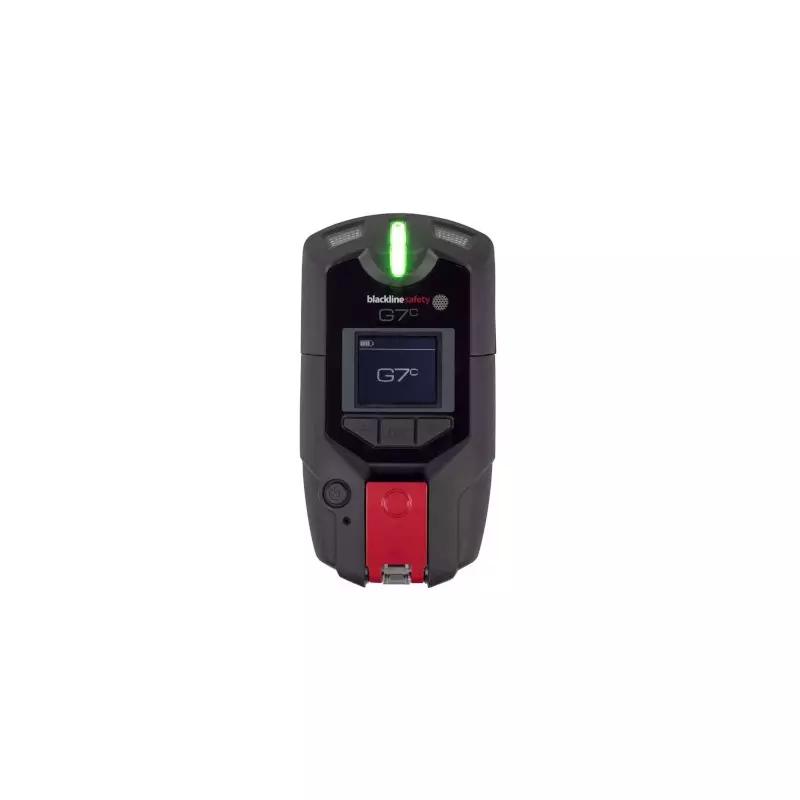
Suggested detectors

1Key properties
Flammability limits vary according to the source and test method. When configuring a combustible gas detector, use the data and instructions applicable to the instrument and gas concerned.
2What are the hazards?
Butane forms explosive mixtures with air. Being heavier than air, it can accumulate in low-lying areas and spread along the ground, creating a risk of ignition at a distance.
At high concentrations, it can cause drowsiness, loss of consciousness and asphyxiation through oxygen depletion. Contact with the liquid can cause frostbite to the skin and eyes.
Containers holding liquefied butane also present hazards associated with pressure and exposure to heat. Prevention must therefore address both gas leaks and the storage conditions of cylinders or tanks.
3What are the occupational exposure limits?
The INRS occupational exposure limit database, updated in September 2022, reports the following French recommended exposure limit, issued through a ministerial circular in 1987, for n-butane:
| Reference period | ppm | mg/m³ |
|---|---|---|
| 8-hour time-weighted average | 800 | 1,900 |
| Short-term exposure | Not specified in this entry | Not specified in this entry |
This value is non-regulatory. It does not define a combustible gas detector alarm setting and does not replace an assessment of fire, explosion or oxygen-deficiency risks.
4How can the risks be prevented?
Prevention relies on leak-tight installations, adequate ventilation and the control of ignition sources. Prevent electrostatic discharges and use equipment suitable for potentially explosive atmospheres.
The risk assessment must account for low-lying areas where gas may accumulate. Flammable gas detection and, where necessary, oxygen monitoring must be appropriate for the site conditions.
Containers must be protected from heat and handled using compatible equipment. Where contact with the liquid is possible, provide cold protection and eye and face protection.
In the event of a major leak, evacuate the area and restrict emergency response to trained personnel with appropriate protective equipment.
Sources: INRS occupational exposure limit database, “n-Butane”, updated September 2022; ILO/WHO, International Chemical Safety Card ICSC 0232, “Butane”; Air Liquide, Gas Encyclopedia, “n-Butane”.