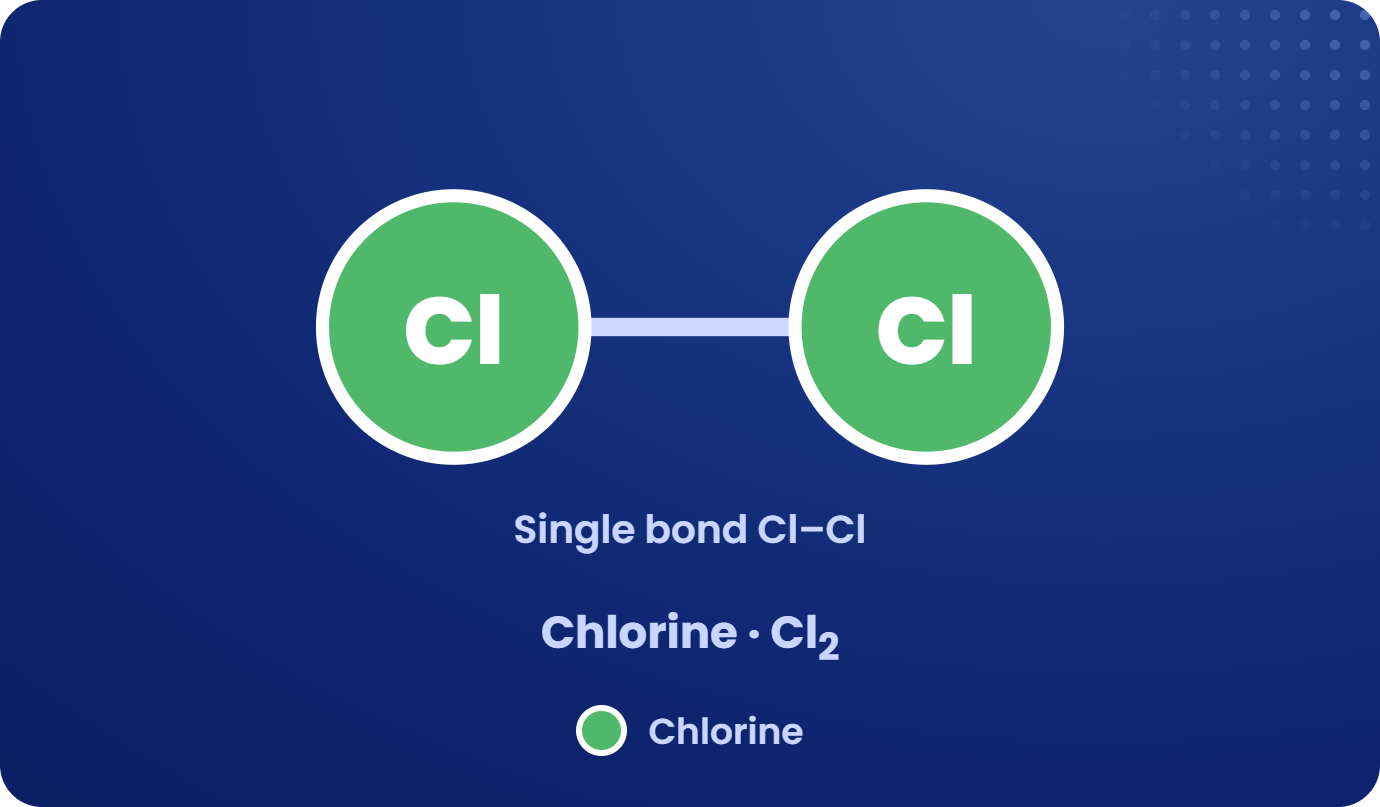
Chlorine is used as a raw material in the manufacture of numerous chemical compounds, as a bleaching agent and for disinfection, particularly in water treatment.
At room temperature and atmospheric pressure, it is a yellowish-green gas, heavier than air, with a pungent, suffocating odour. It is generally supplied as a liquefied gas under pressure.
Suggested detectors
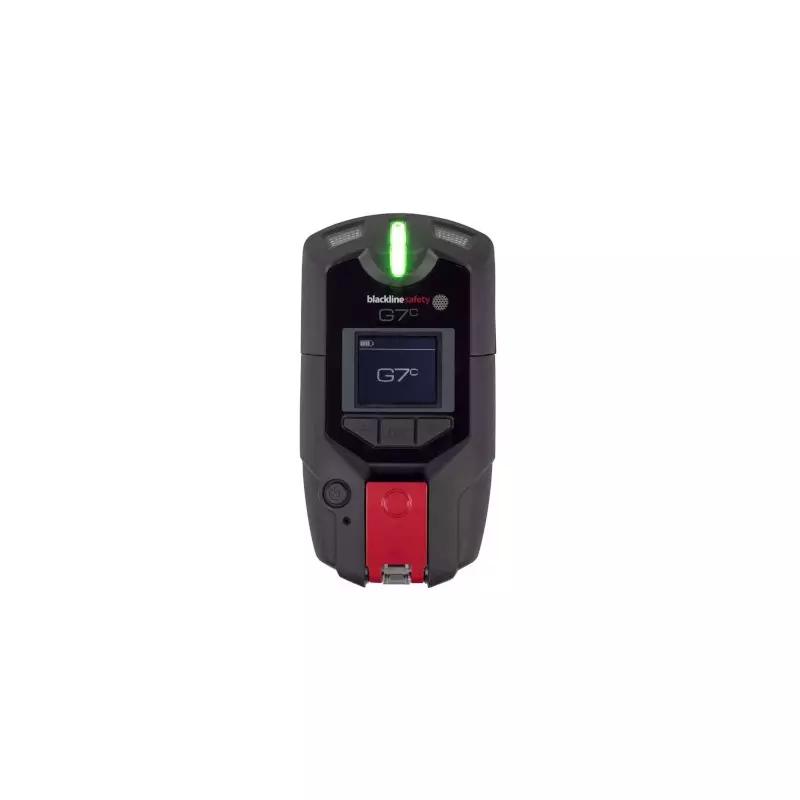
1Key properties
Chlorine is a highly reactive oxidising agent. Contact with water or moisture produces hydrochloric acid and hypochlorous acid, among other substances. Moist chlorine corrodes most metals.
2What are the hazards?
Chlorine is toxic if inhaled and irritates the eyes, skin and respiratory tract. It is also very toxic to aquatic life.
It is an oxidising gas: it may cause or intensify a fire. Its reactions with certain organic materials, oils, greases and other incompatible substances can be violent, potentially causing ignition or explosion.
Inhalation can cause serious respiratory injury. Pulmonary oedema may develop after a delay, within 48 hours of exposure. An initial improvement therefore does not rule out this risk. Accidental inhalation requires urgent medical attention.
3What are the occupational exposure limits?
INRS reports the following French binding regulatory occupational exposure limit established in 2007:
| Reference period | ppm | mg/m³ |
|---|---|---|
| 8-hour time-weighted average | Not specified for France in this factsheet | Not specified for France in this factsheet |
| Short-term exposure | 0.5 | 1.5 |
This short-term exposure limit does not, on its own, provide a complete gas detector alarm configuration. Settings must take account of the risk assessment, instrument performance and reference period used.
4How can the risks be prevented?
Prevention relies on working in closed systems wherever possible, capturing gas at source and providing adequate ventilation. Equipment, connections and materials must be compatible with chlorine.
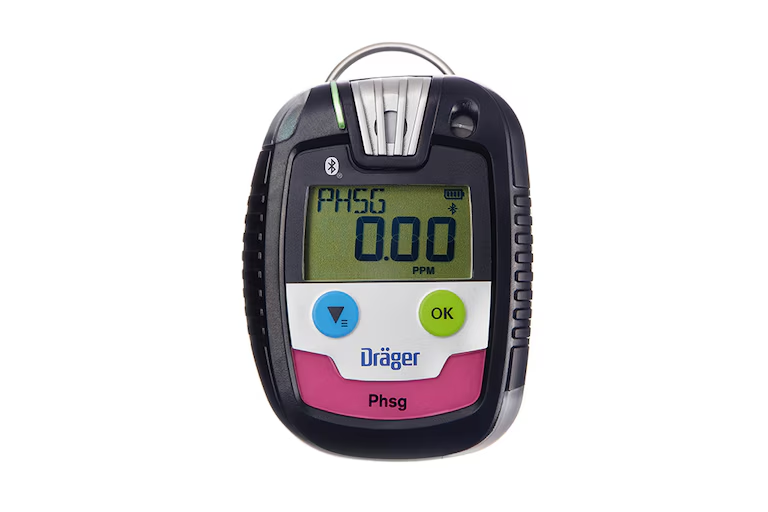
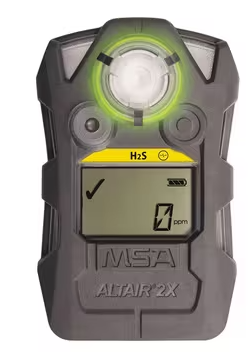
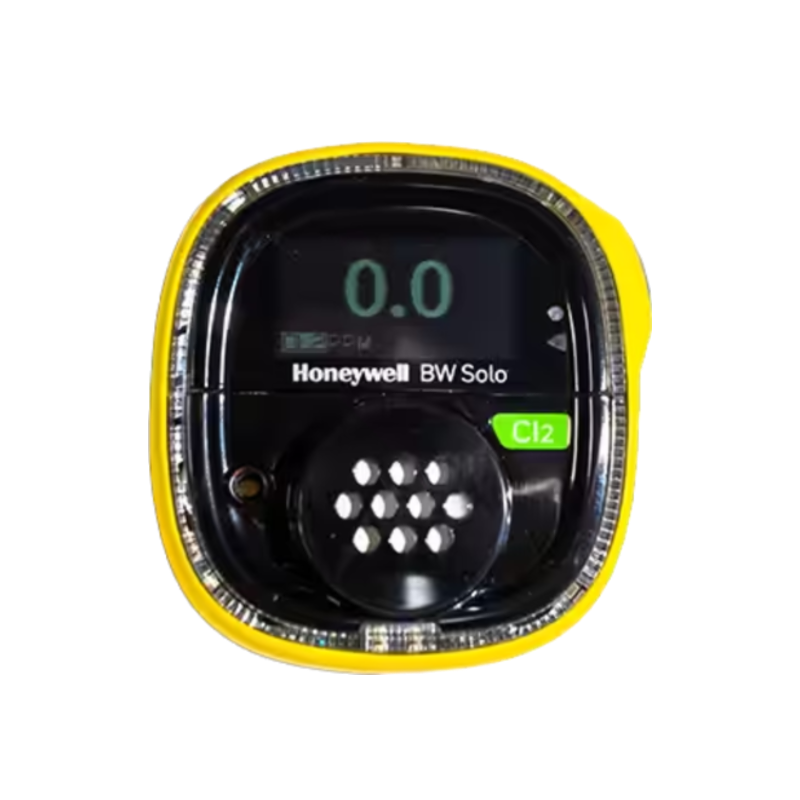
INRS recommends frequent, regular atmospheric checks or, preferably, continuous monitoring linked to an automatic alarm.
Gloves, protective clothing and eye protection must be selected according to working conditions and the physical state of the substance. Where filtering respiratory protection is suitable for the situation, INRS recommends a type B filter. Emergency response requires suitable atmosphere-supplying respiratory protection.
Cylinders must be secured upright in a cool, ventilated area, away from heat, combustible materials and incompatible substances.
In the event of a leak, evacuate the area and restrict emergency response to personnel trained and equipped in accordance with the site’s emergency procedure.
Source: INRS, Toxicological Factsheet No. 51, “Chlore”, January 2023 edition.