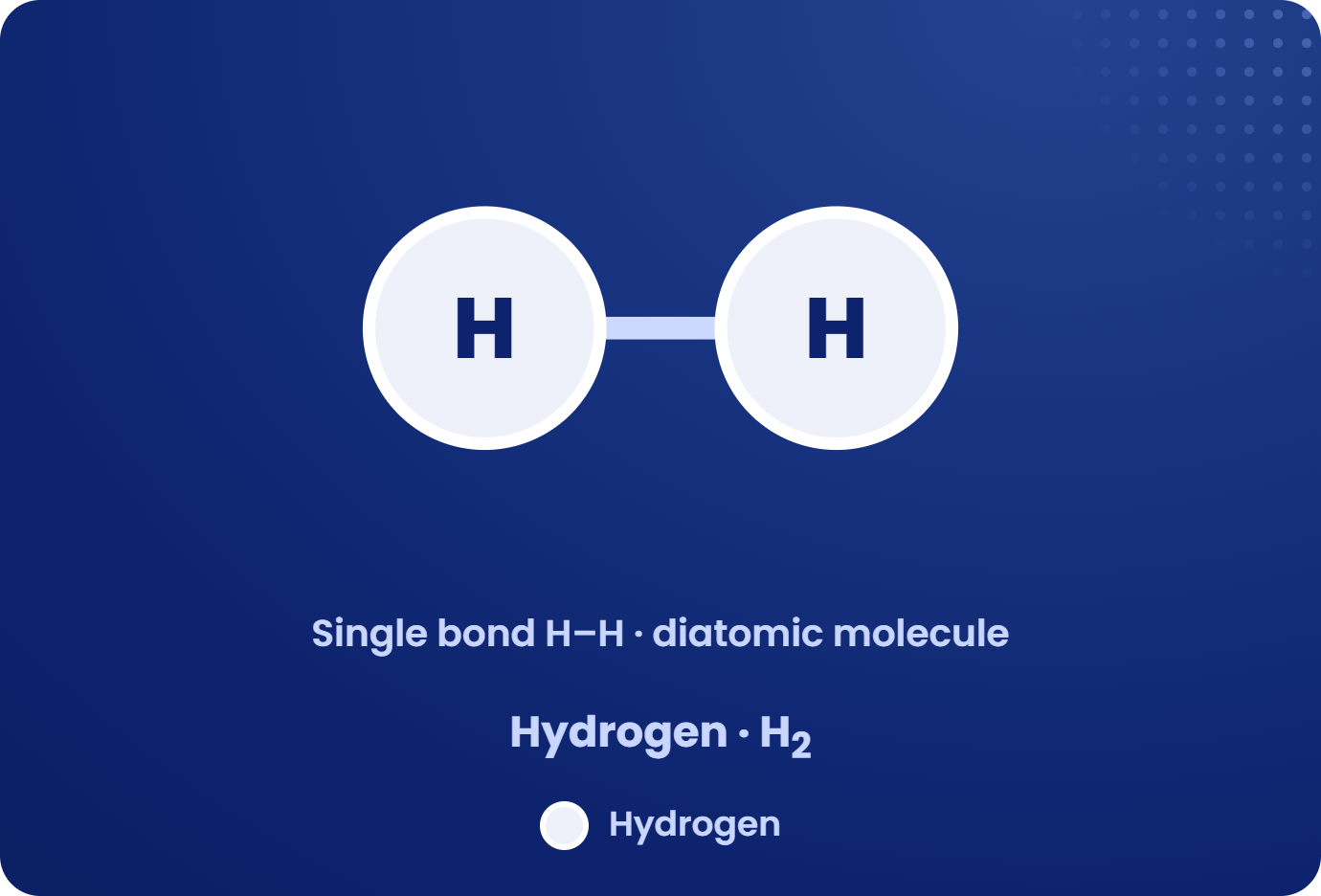
Hydrogen, also known as dihydrogen, is used notably in petroleum refining, chemical synthesis, hydrogenation processes and fuel cells. In liquid form, it is also used for space propulsion.
At room temperature, it is a colourless, odourless gas that is much lighter than air. It is extremely flammable.
1Main properties
These values apply to pure hydrogen. The characteristics of gas mixtures depend on their composition.
2What are the hazards?
Hydrogen forms explosive mixtures with air over a very wide concentration range. Very little energy is needed to ignite it. Its pale blue flame can become practically invisible at high temperatures.
At high concentrations, it displaces oxygen in the air and can cause rapidly fatal asphyxiation, particularly in a confined space. Its lack of odour means a leak cannot be detected by smell.
Contact with liquid hydrogen or very cold gas can cause severe burns and frostbite to the skin or eyes.
3What occupational exposure limits apply?
The INRS factsheet dated December 2021 states that no specific occupational exposure limit had been established for hydrogen in France at the time of that edition.
This absence does not mean there is no hazard. Prevention must separately address fire and explosion risks and oxygen deficiency. Alarm settings must be determined according to the risk assessment and the detection system’s characteristics.
4How can risks be prevented?
Prevention relies on leak-tight installations, capturing emissions and providing suitable ventilation. Equipment, fittings and hoses must be compatible with hydrogen and the operating pressure.
Keep ignition sources away and prevent electrostatic discharges through suitable earthing and equipotential bonding. Equipment must be suitable for the explosive atmosphere hazard.
INRS recommends ventilation that maintains the hydrogen concentration below 4,000 ppm, equivalent to 10% of its lower explosive limit. This preventive recommendation is neither a health-based occupational exposure limit nor a universal alarm setting.
Cylinders must be used upright, secured and protected from sunlight and heat sources. Operators must be familiar with the installation’s handling and emergency procedures.
Source: INRS, Toxicological Factsheet No. 326, “Hydrogen”, December 2021 edition, in French.