Methane is the main component of natural gas. It is used as a fuel to produce heat and electricity, and as a raw material to manufacture hydrogen, methanol and other chemicals.
At room temperature, it is a colourless, odourless gas that is lighter than air. It is extremely flammable.
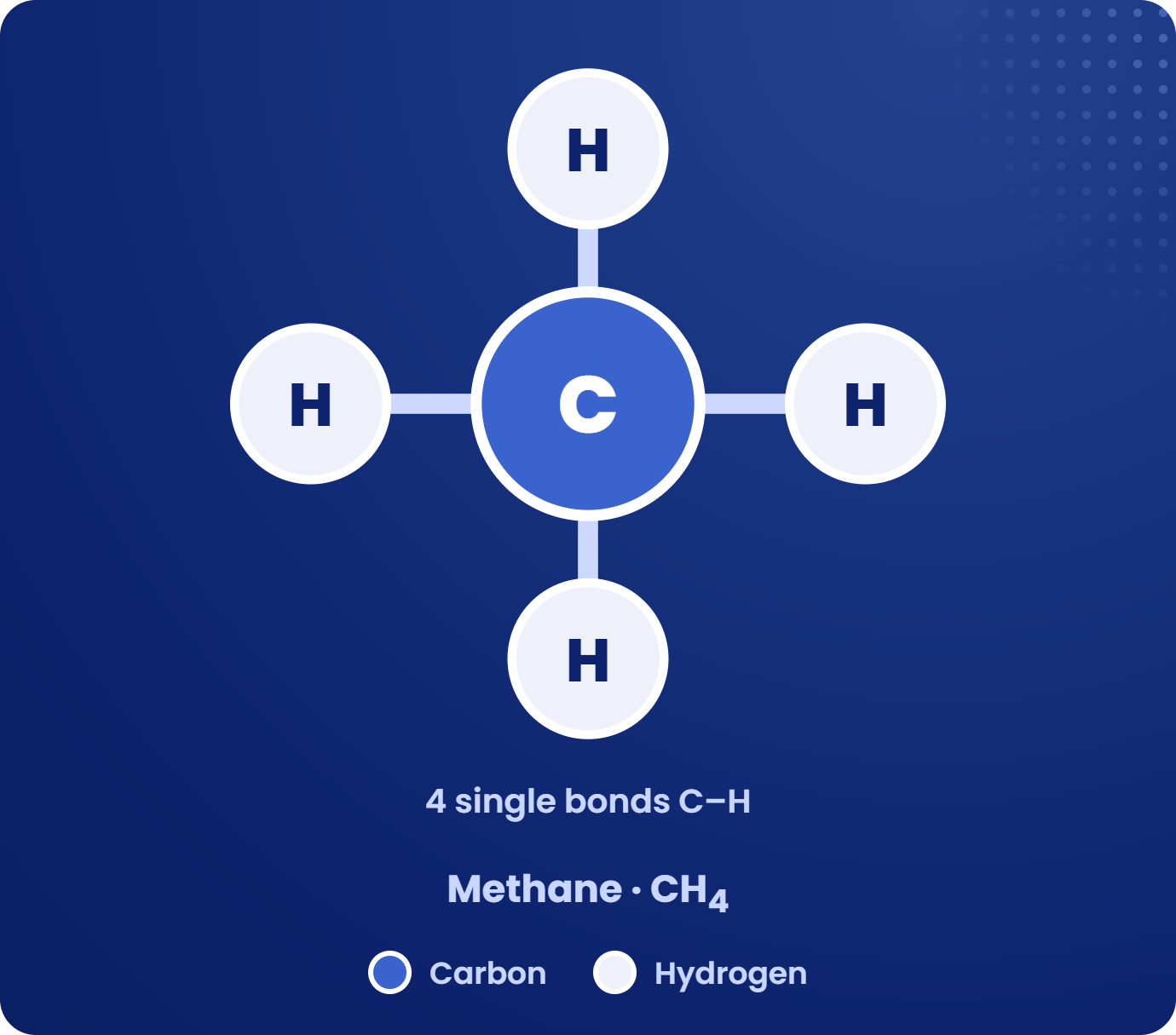
1Main properties
Flammability values vary according to the reference and test conditions. The international chemical safety card lists 5 to 15% by volume. These figures must remain attributed to their respective sources and do not directly define gas detector alarm settings.
2What are the hazards?
Methane forms explosive mixtures with air. A leak in the presence of a flame, spark or another ignition source can cause a fire or explosion.
At high concentrations, it reduces the oxygen concentration in the air and can cause potentially fatal asphyxiation, particularly in a confined space. As pure methane is odourless, its presence cannot be detected by smell.
Contact with liquefied methane can also cause frostbite to the skin and eyes.
3What occupational exposure limits apply?
The INRS brochure “Confined spaces” lists no 8-hour or short-term occupational exposure limit for methane.
This absence does not mean there is no hazard. Prevention must address fire and explosion risks as well as oxygen deficiency. Measuring oxygen does not replace monitoring the explosion hazard associated with methane.
4How can risks be prevented?
Prevention relies on leak-tight installations, suitable ventilation and control of ignition sources. Equipment must be suitable for the explosive atmosphere hazard.
Storage conditions must account for how the substance is supplied: compressed gas or refrigerated liquid. Equipment and protective measures must be suitable for the corresponding hazards.
In the event of a leak, evacuate the area and follow emergency procedures. Only trained personnel with suitable protective equipment should enter a hazardous atmosphere, using appropriate self-contained breathing apparatus.
Sources: INRS, CarAtex database, “Methane”, April 2018, in French; INRS, ED 6184, “Confined spaces”, in French; ILO/WHO, International Chemical Safety Card No. 0291, “Methane”, February 2000, in French; Air Liquide, Gas Encyclopedia, “Methane”.