Methyl acetate, also known as methyl ethanoate, is an organic solvent used in adhesives, paints, lacquers, inks and cleaning products. It is also used in artificial leather manufacturing, perfumery and organic synthesis. At room temperature, it is a colourless, volatile liquid with a fruity odour. Its vapours are highly flammable.
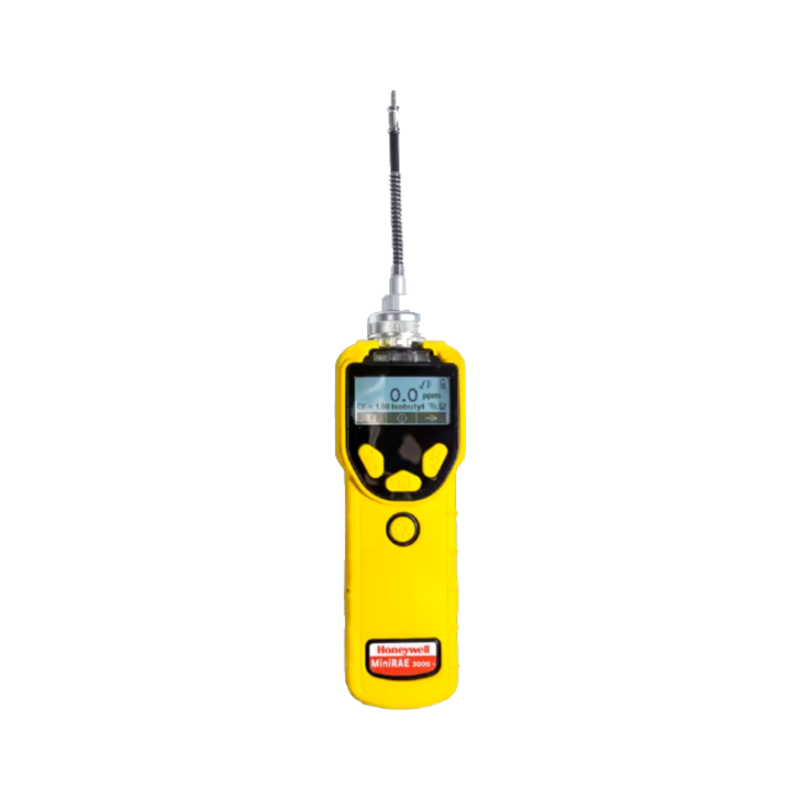
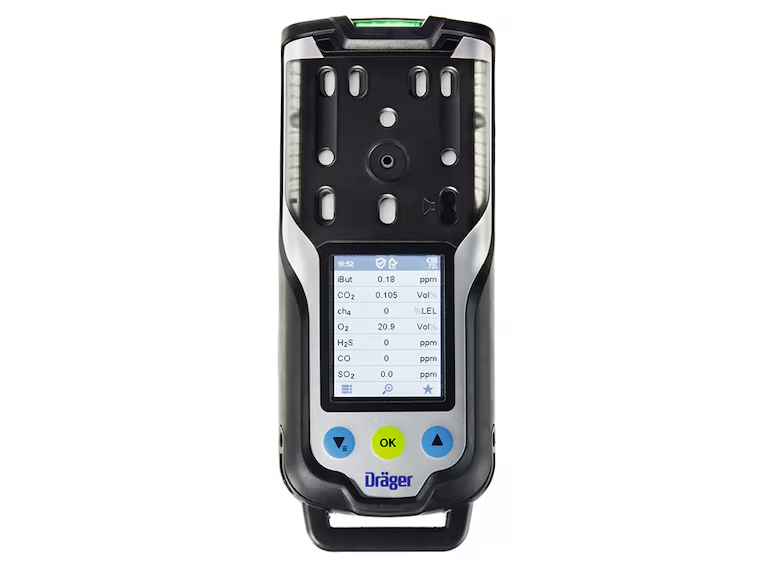
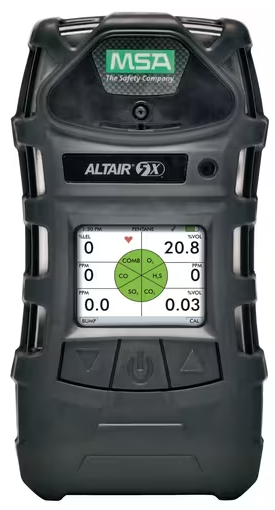
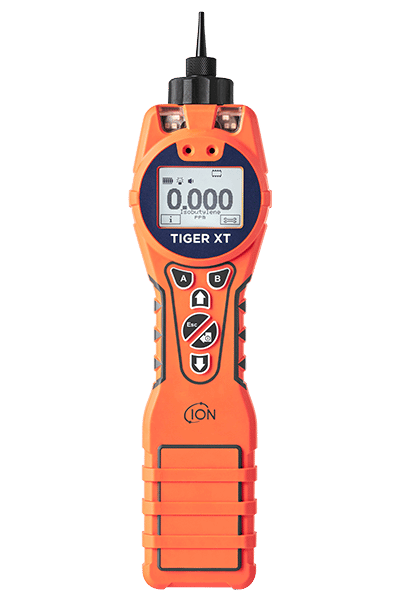
Suggested detectors
1Key properties
2What are the hazards?
Methyl acetate can form explosive mixtures with air at room temperature. Its vapours are heavier than air and may accumulate in low-lying areas where ventilation conditions allow.
Exposure causes significant eye irritation. Inhalation may cause drowsiness or dizziness and, at high concentrations, central nervous system depression. Repeated skin contact may cause dryness and cracking.
In the presence of water, methyl acetate can hydrolyse into acetic acid and methanol. Heat, acids and bases accelerate this reaction.
3What are the occupational exposure limits?
The INRS factsheet dated February 2024 reports the following French indicative exposure limits established in 1983:
| Reference period | ppm | mg/m³ |
|---|---|---|
| 8-hour time-weighted average | 200 | 610 |
| Short-term exposure | 250 | 760 |
These exposure limits do not, on their own, define gas detector alarm settings.
4How can the risks be prevented?
Prevention relies on capturing vapours at source and providing adequate ventilation. Keep heat sources, flames and sparks away, and prevent electrostatic discharges.
Gloves, eye protection and, where necessary, respiratory protection must be selected according to the risk assessment and their compatibility with the substance. Store in closed containers in a cool, ventilated area, away from incompatible substances.
Source: INRS, Toxicological Factsheet No. 88, “Acétate de méthyle”, February 2024 edition. English translation by Indu X.