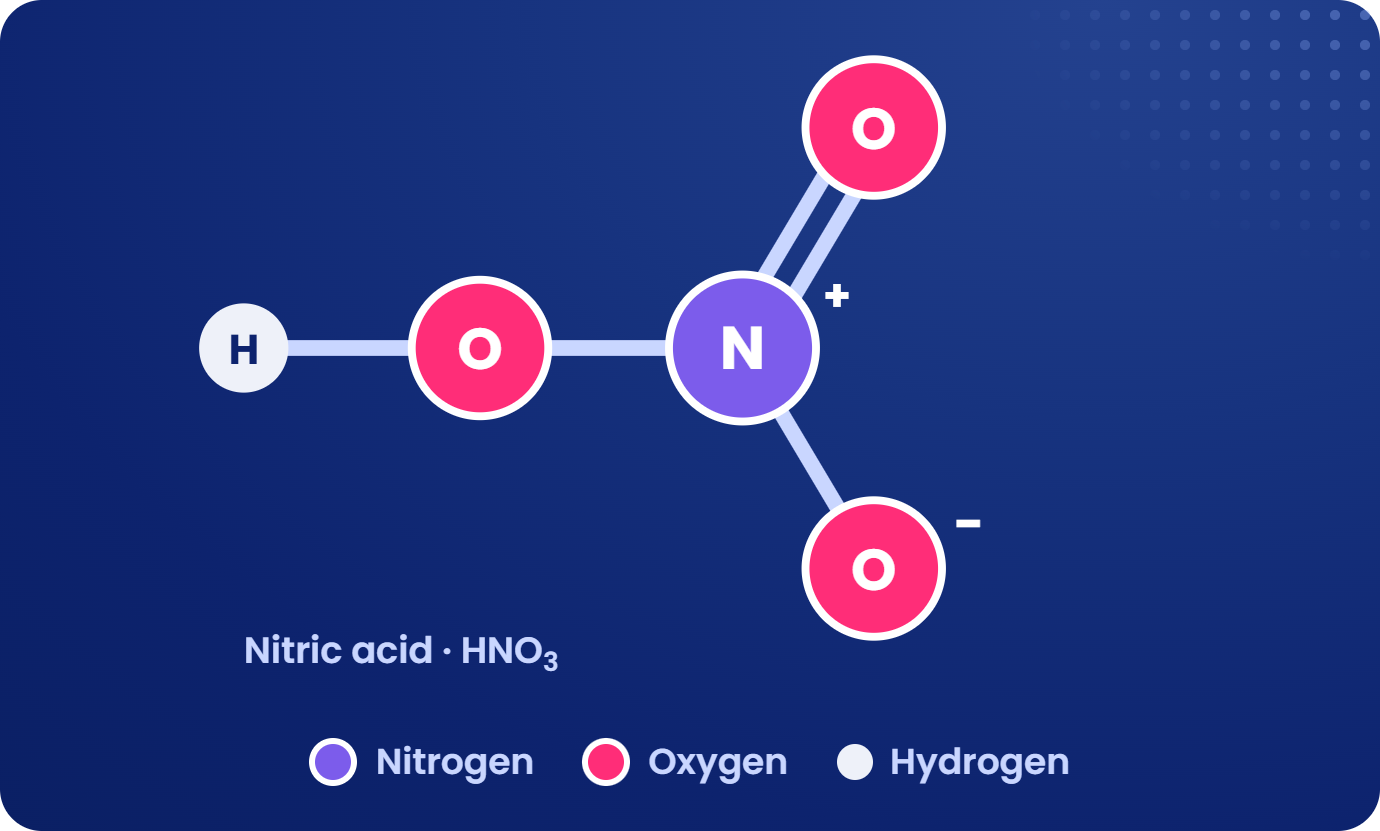
Nitric acid is used in the manufacture of fertilisers, nitrates and explosives, as well as in metallurgy and the chemical industry. At room temperature, pure nitric acid is a colourless liquid with a suffocating odour. It is generally supplied as an aqueous solution. Its properties and hazards depend particularly on its concentration.
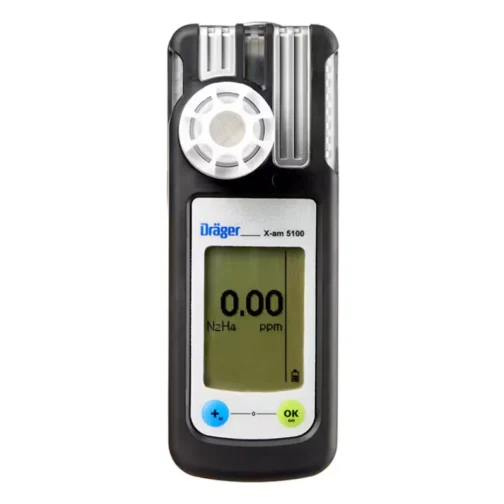
Suggested detectors
1Key properties
These values must not be applied indiscriminately to diluted solutions. Exposure to light or heat can cause nitric acid to decompose, releasing nitrogen dioxide, NO₂, which gives the solutions a yellow colour.
2What are the hazards?
Nitric acid is a strong, corrosive acid and a powerful oxidising agent. It can react violently with combustible materials, reducing agents and certain organic substances, potentially causing fire or explosion. These reactions may release toxic nitrogen oxides.
Depending on the concentration and exposure conditions, the liquid, vapours and aerosols can cause severe skin burns, eye damage and respiratory tract injury.
Inhalation may cause coughing, a burning sensation and breathing difficulties. Serious lung injury may develop after a delay of up to 48 hours following exposure. An initial improvement therefore does not rule out this risk.
3What are the occupational exposure limits?
The INRS factsheet dated March 2022 reports the following French indicative regulatory exposure limit established in 2007:
| Reference period | ppm | mg/m³ |
|---|---|---|
| 8-hour time-weighted average | Not specified in this factsheet | Not specified in this factsheet |
| Short-term exposure | 1 | 2.6 |
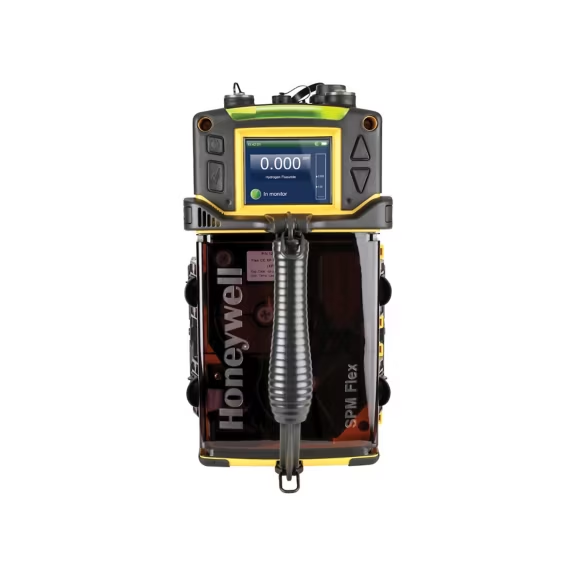
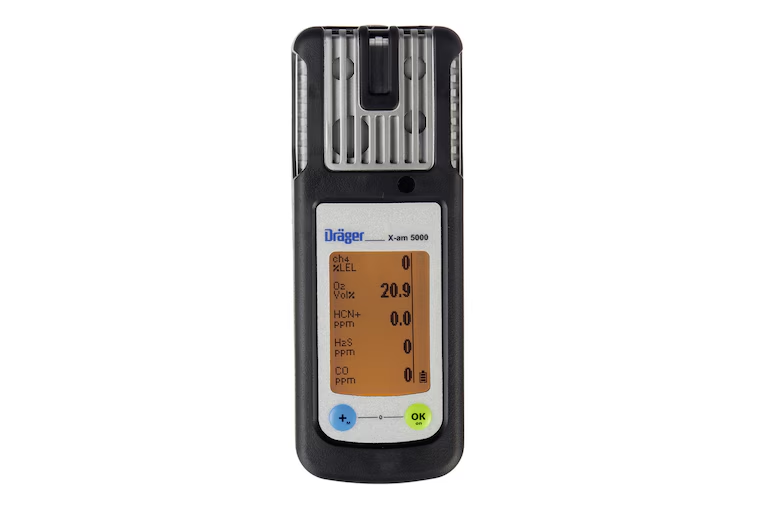
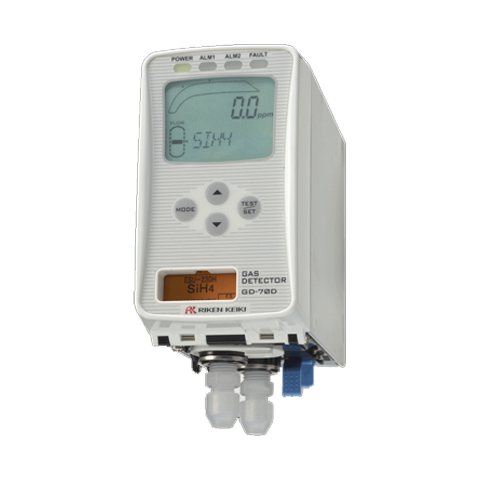
This exposure limit does not, on its own, define a gas detector alarm setting. Monitoring must also take account of other substances that may be present, particularly nitrogen oxides.
4How can the risks be prevented?
Prevention relies on using closed systems wherever possible, capturing emissions at source and providing adequate ventilation. Handling operations must minimise splashes and the formation of vapours, mists or aerosols.
When diluting, slowly add the acid to water in small quantities while stirring. Never add water to the acid.
Gloves, protective clothing, eye protection and any necessary respiratory protection must be selected according to the product concentration and the risk assessment. Safety showers and eyewash facilities should be available nearby.
Store in compatible, closed and labelled containers, in a cool, ventilated area, away from heat and combustible or incompatible substances.
Source: INRS, Toxicological Factsheet No. 9, “Acide nitrique”, March 2022 edition.
Download the INRS factsheet as a PDF