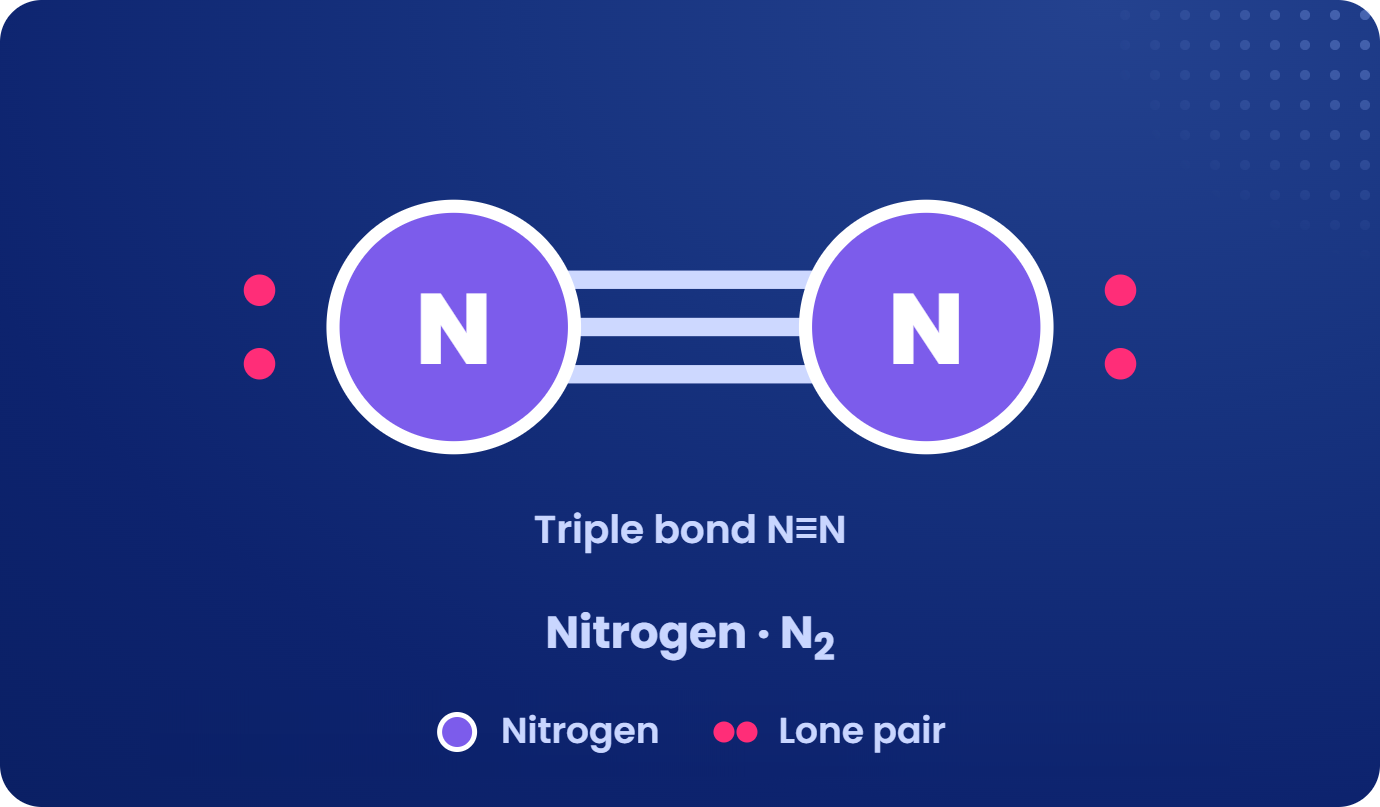
Nitrogen, also known as dinitrogen, is used for inerting, purging installations, preservation under protective atmospheres and cryogenic applications. At room temperature and atmospheric pressure, it is a colourless, odourless and non-flammable gas.
This factsheet covers gaseous nitrogen and outlines the additional hazards of refrigerated liquid nitrogen, used particularly for cooling and cryopreservation.
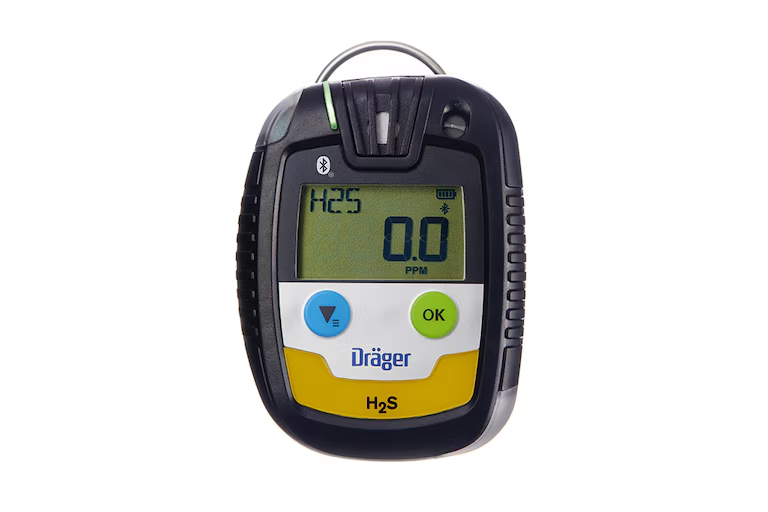
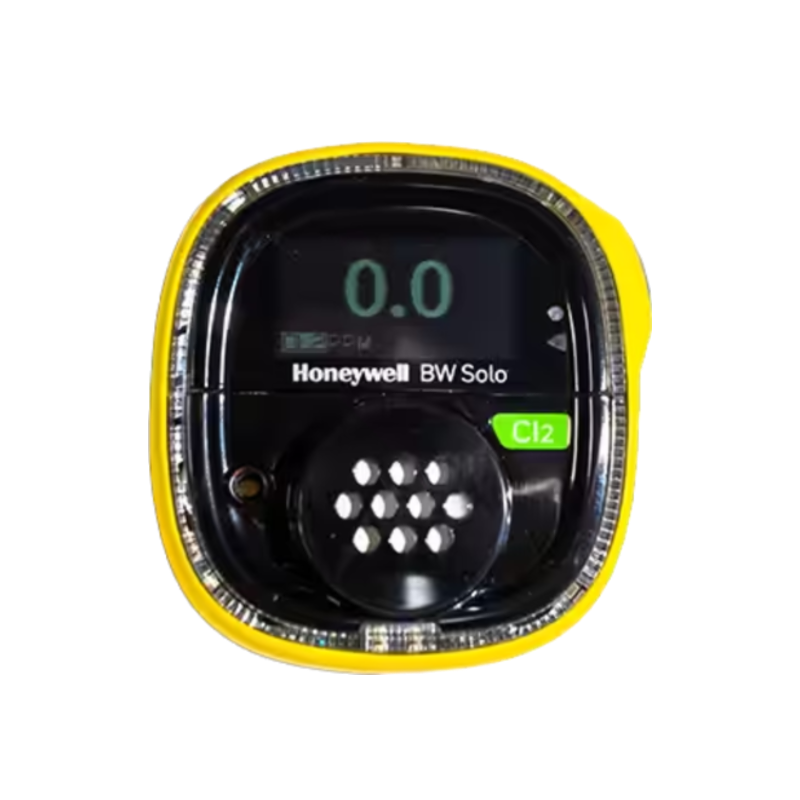
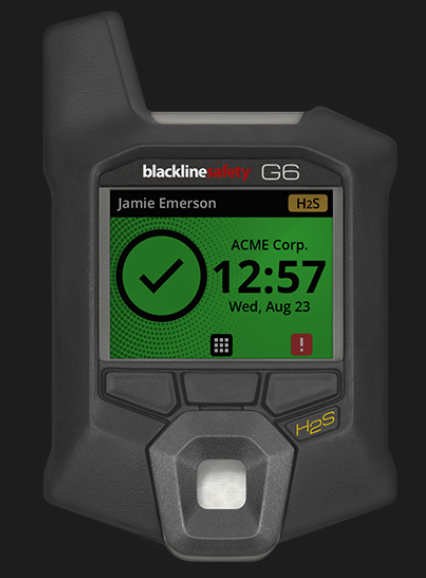
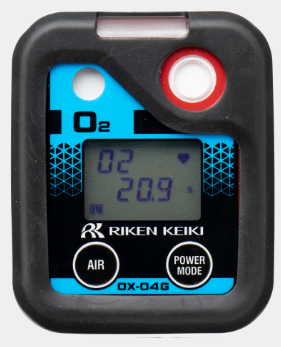
Suggested detectors
1Key properties
At comparable temperatures, gaseous nitrogen has a density close to that of air. However, very cold gas produced by the evaporation of liquid nitrogen may accumulate in low-lying areas. Its dispersion therefore also depends on temperature and ventilation.
2What are the hazards?
The main hazard is asphyxiation caused by oxygen depletion in the air. A leak or the evaporation of liquid nitrogen can displace oxygen, particularly in an enclosed or poorly ventilated room or a confined space.
Oxygen deficiency can impair physical and mental abilities, cause loss of consciousness and lead to death. The absence of an odour means the danger cannot be detected by smell.
Liquid nitrogen and cooled surfaces can cause severe frostbite or cryogenic burns. Evaporation produces a substantial increase in volume; pressure build-up in an unsuitable container can cause it to rupture. Compressed gas cylinders also present pressure-related hazards, particularly when heated.
3What are the occupational exposure limits?
The safety sources cited do not provide a numerical occupational exposure limit specifically for nitrogen. Preventing asphyxiation relies primarily on controlling releases and monitoring the oxygen content of the air.
An oxygen detector does not measure nitrogen directly: it indicates oxygen depletion. Alarm thresholds must be defined according to the risk assessment and the requirements applicable to the site.
4How can the risks be prevented?
Prevention relies on adequate ventilation, checking installations for leaks and using oxygen detectors where releases could cause oxygen depletion.
Cylinders must be secured against falls and protected from heat. Liquid nitrogen must be stored in suitable cryogenic containers designed to manage evaporation and pressure.
Cryogenic handling requires cold-insulating gloves, eye and face protection, and suitable clothing.
Filtering respiratory protection does not supply oxygen. Work in oxygen-deficient atmospheres requires suitable atmosphere-supplying respiratory protection and emergency arrangements established in advance.
Sources: ILO/WHO, International Chemical Safety Card ICSC 1198, “Nitrogen, compressed”; ICSC 1199, “Nitrogen, liquefied”; Air Liquide, Gas Encyclopedia, “Nitrogen”; Air Liquide Santé France, preventing risks associated with liquid nitrogen.