Propane is a liquefied petroleum gas, or LPG, used as a fuel. It may be supplied on its own or mixed with butane.
At room temperature and atmospheric pressure, it is a colourless gas, heavier than air and extremely flammable. It is generally stored as a liquefied gas under pressure. Pure propane is odourless; LPG fuels are usually odorised to help identify leaks.
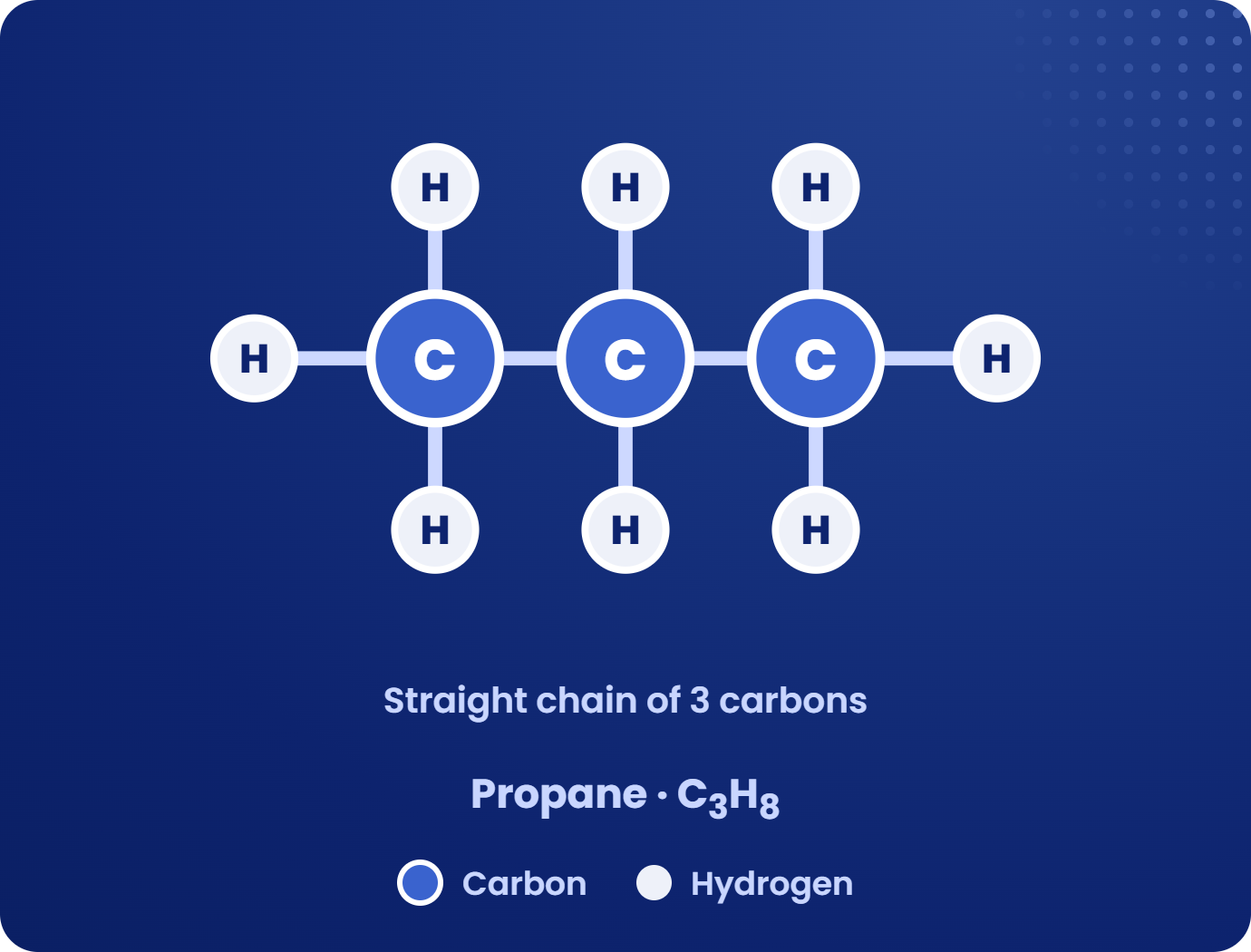
1Main properties
Flammability values differ according to the reference and test conditions: the ICSC lists 2.1 to 9.5% by volume. These figures must remain attributed to their respective sources and do not directly define alarm settings.
2What are the hazards?
Propane forms explosive mixtures with air. Being heavier than air, it can accumulate in low-lying areas and reach an ignition source some distance from the leak.
At high concentrations, it can reduce oxygen levels and cause asphyxiation, particularly in a confined space. Drowsiness and unconsciousness may occur.
Contact with the liquid causes frostbite to the skin or eyes.
Heating an LPG container increases its internal pressure and may create a serious risk of rupture.
3What occupational exposure limits apply?
No specific French occupational exposure limit was identified in the sources consulted for this factsheet.
The German value of 1,000 ppm listed in the ICSC must not be presented as a French limit. The absence of an identified French value does not remove the need to prevent explosion hazards and oxygen deficiency.
4How can risks be prevented?
Prevention relies on leak-tight installations, suitable ventilation and control of ignition sources. Equipment must be suitable for the explosive atmosphere hazard.
Prevent electrostatic discharges and protect containers from heat. Storage and operating conditions must follow the supplier’s instructions.
In the event of a leak, evacuate the area and follow emergency procedures. Interventions in a hazardous atmosphere require trained personnel and suitable self-contained breathing apparatus.
Sources: INRS, CarAtex database, “n-Propane”, April 2018, in French; INRS, ED 6093, “LPG-powered vehicles”, in French; ILO/WHO, International Chemical Safety Card No. 0319, “Propane”, November 2003, in English.