Sulfur dioxide, also known as sulfurous anhydride, is used notably in sulfuric acid production, paper pulp bleaching and the manufacture of sulfites and bisulfites. It also serves as a reducing agent in various industries.
It can be released during the combustion of sulfur-containing fuels or certain metallurgical operations. At room temperature, it is a colourless gas, heavier than air, with a pungent, strongly irritating odour. It is highly soluble in water.
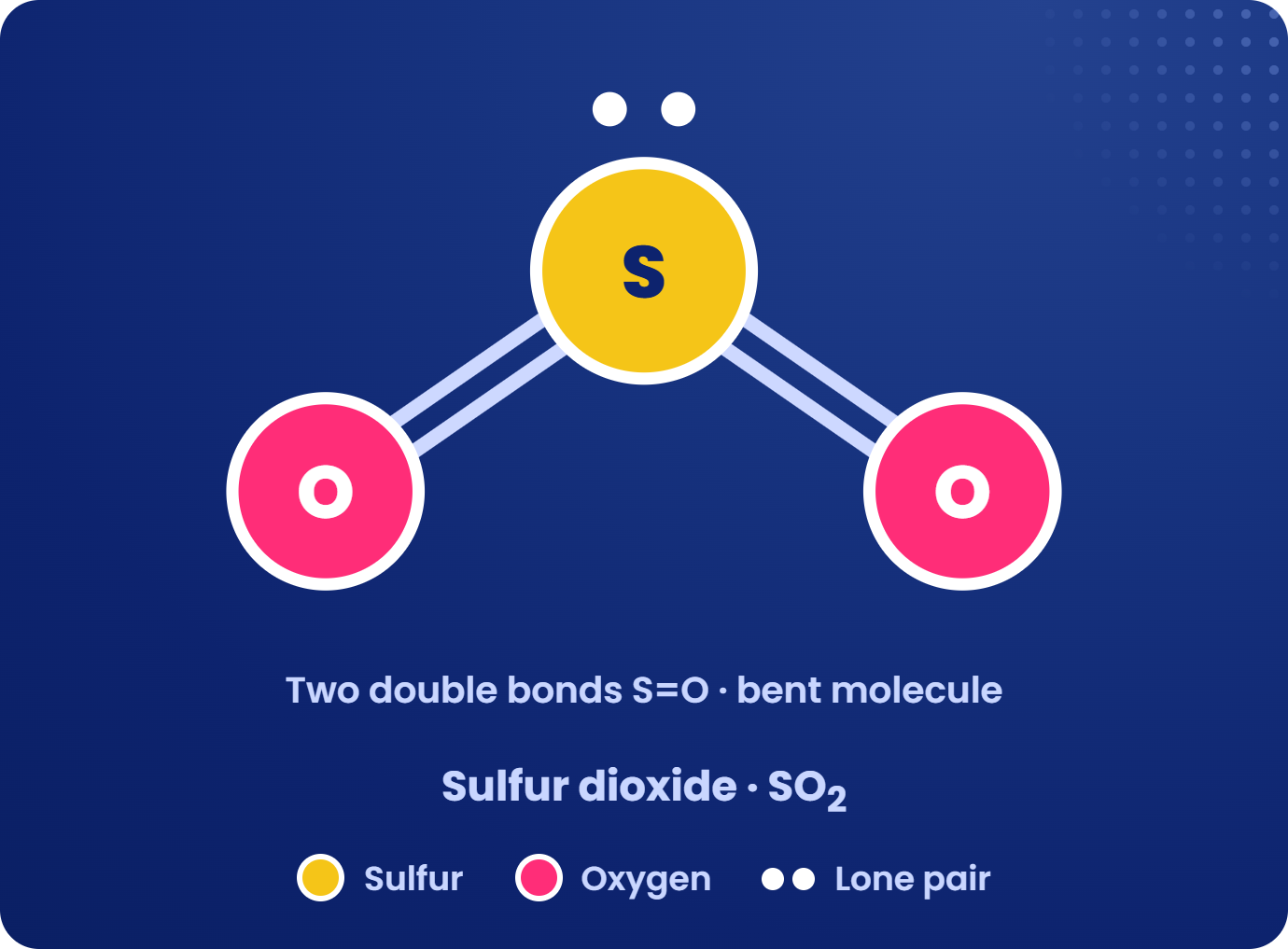
1Main properties
These values apply to pure sulfur dioxide. It may be supplied as a liquefied gas under pressure.
2What are the hazards?
Sulfur dioxide is toxic if inhaled and corrosive. It can cause severe skin burns and serious eye damage. Contact with the liquefied substance can also cause cold injuries.
Inhalation irritates the eyes and respiratory tract. Significant exposure may cause bronchoconstriction, respiratory distress and potentially fatal pulmonary oedema. Bronchial hyperresponsiveness may persist after acute poisoning.
People with asthma are particularly sensitive. Repeated exposure may contribute to chronic bronchitis and pharyngitis or worsen an existing respiratory condition.
Sulfur dioxide is non-flammable. However, its corrosive effects in the presence of moisture remain a significant hazard, particularly during a leak.
3What occupational exposure limits apply?
The INRS factsheet dated November 2022 reports the following indicative regulatory occupational exposure limits established in France in 2019:
| Reference period | ppm | mg/m³ |
|---|---|---|
| 8-hour average | 0.5 | 1.3 |
| Short-term, 15 minutes | 1 | 2.7 |
These occupational exposure limits do not, on their own, constitute gas detector alarm settings.
4How can risks be prevented?
Prevention relies on enclosed processes wherever possible, capturing emissions at source and providing suitable ventilation. Atmospheric exposure must be assessed regularly.
Equipment, fittings and hoses must be compatible with SO₂ and suitable for the operating pressure. Cylinders must be used and stored upright, secured and protected from heat, in a well-ventilated area, in accordance with the supplier’s instructions.
Gloves, protective clothing, eye protection and any respiratory protective equipment must be selected according to the risk assessment and safety data sheet.
In the event of a leak, evacuate the area and follow emergency procedures. Only trained personnel with suitable protective equipment should intervene. Self-contained breathing apparatus must be available for emergency response.
Source: INRS, Toxicological Factsheet No. 41, “Sulfur dioxide”, November 2022 edition, in French.